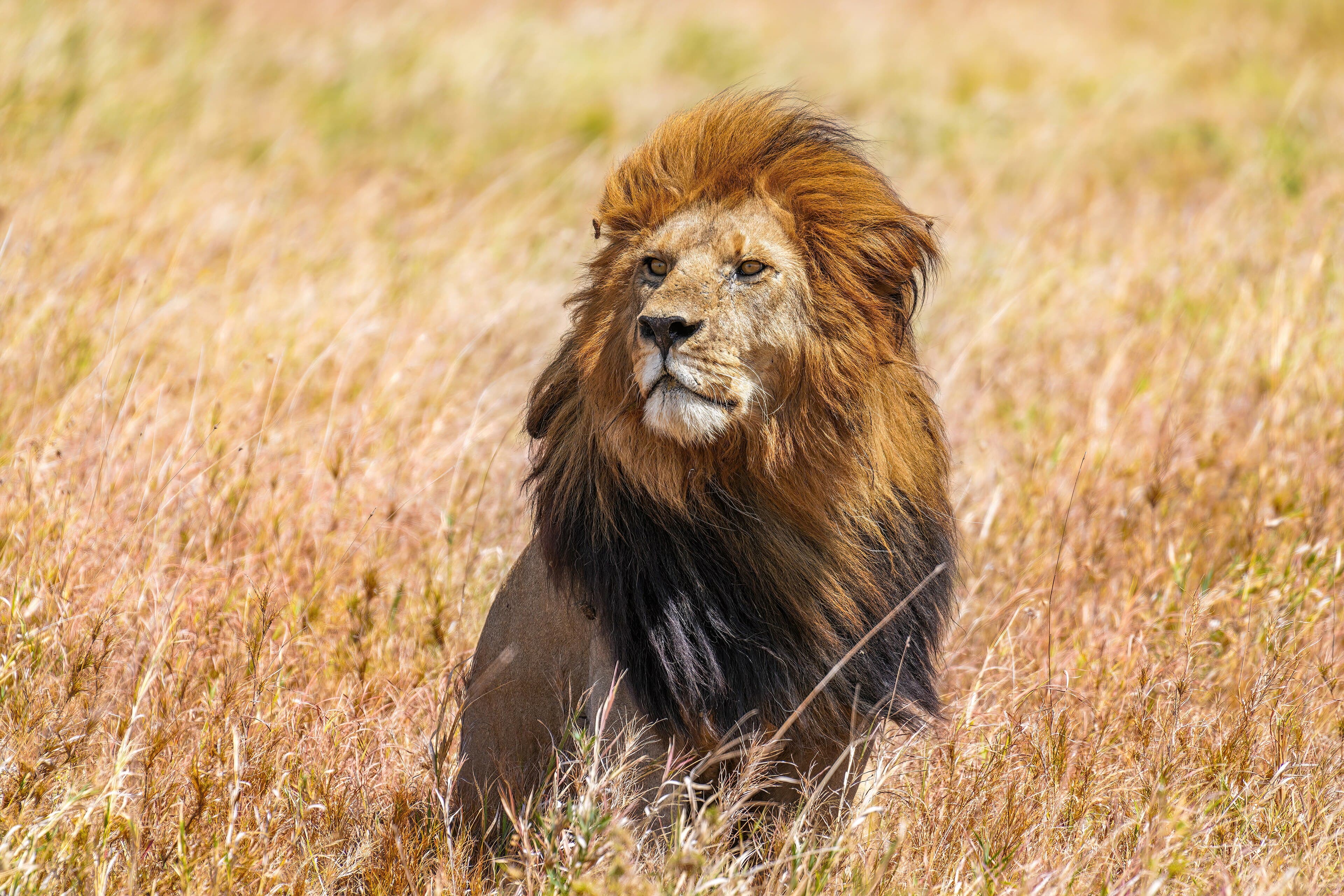
Photographed at Serengeti National Park, Tanzania
Camera data: Sony α7R III400 mmf/5.61/400 sISO 100Serengeti National Park, Tanzania
Behind the shot: Snyggve, the Serengeti lion who looked back
A direct gaze, soft light and a background that disappears: what the file data and the frame itself tell us about one of the most-viewed lion portraits on Wikimedia Commons.
By WLIFE EditorialPhotographs Giles Laurent6 min read
Some wildlife portraits are admired; a few are stared at. Giles Laurent's photograph of the male lion known as Snyggve belongs to the second group, largely because the lion is staring back. The frame has been selected as a Featured Picture, a Quality Image and a Valued Image on Wikimedia Commons, was the site's Picture of the Day on 22 August 2024, and took second prize in the Tanzania national contest of Wiki Loves Earth 2022. This piece looks at what the file's own data tells us about how it was made, and then offers an editor's reading of why it works. The analysis is ours; the facts are the photographer's.
The facts from the file
“Wild lion (Panthera leo) Snyggve (also known as Bob Junior), son of C-Boy, scanning the horizon in the Serengeti National Park.”
Giles Laurent, file description on Wikimedia Commons
The description is short and precise, and it tells us three things worth noting. The lion is wild, not captive. He has a name and a lineage, which means he was a known individual in a studied population rather than an anonymous animal. And the photographer describes him as scanning the horizon, which is a reminder that the eye contact in the frame is a fraction of a second within a longer behaviour, not a lion fixated on a vehicle. The embedded camera data fills in the rest:
| Field | Value (from Commons EXIF) |
|---|---|
| Camera | Sony ILCE-7RM3 |
| Lens | FE 70–200 mm F2.8 GM OSS with 2x teleconverter |
| Focal length | 400 mm |
| Exposure | 1/400 s at f/5.6 |
| ISO | 100 |
| Date and time | 9 July 2020, 10:21 |
| Licence | CC BY-SA 4.0 |
What the settings suggest
Start with the lens. A 70–200 mm f/2.8 with a 2x teleconverter becomes a 140–400 mm f/5.6, and the frame was made at the long end. That is a modest focal length by wildlife standards, which tells us the lion was reasonably close, as Serengeti lions habituated to vehicles often are. The teleconverter costs two stops of light, so f/5.6 here is wide open. ISO 100 and 1/400 s at that aperture indicate bright daylight, consistent with a mid-morning timestamp in July, the dry season, when the Serengeti sky is often clear.
A shutter speed of 1/400 s is slow for an animal that might move, but a resting lion turning his head is a slow subject, and the photographer appears to have prioritised the lowest ISO for maximum image quality on a high-resolution sensor. The original file is 7952 by 5304 pixels, which is the full output of that camera; the frame does not appear to have been cropped significantly. In other words, the composition was made in the viewfinder.
An editor's reading of the frame
What follows is interpretation, and we label it as such. Three decisions seem to us to explain why this portrait holds attention when so many lion portraits do not.
Eye contact at eye level. The camera is low, close to the lion's own eye line, rather than looking down from a vehicle roof. Lowering the viewpoint turns the animal from a specimen into a presence; the viewer meets the lion rather than observes him. Because the lion is looking directly into the lens, the frame creates the brief, slightly uncomfortable sensation of being seen. Most lion images show the animal looking past the camera. This one does not, and the difference is everything.
Soft, directional light. Although the exposure data suggests full sun, the lion's face shows gentle gradation rather than harsh shadow under the brow. Our reading is that the light is coming from the side and slightly behind the camera, high enough to light the eyes but not so high that the eye sockets fall into darkness. The dark mane absorbs light and frames the face; the lighter fur of the muzzle catches it. A portrait of a maned lion is, in effect, a portrait of a face inside a frame of hair, and the light here respects that structure.
A background that disappears. At 400 mm and f/5.6, with the subject relatively close, the plains behind the lion dissolve into a wash of muted tones. There is nothing to read in the background, no grass stems competing with the whiskers, no horizon cutting through the ears. That is partly optics and partly position: the photographer has chosen an angle where the ground behind the lion is distant and featureless. It is the least glamorous decision in wildlife photography and one of the most important.
What to take from it
The lesson is not about equipment. The frame was made with a general-purpose zoom and a teleconverter, not an exotic prime. What it demonstrates is patience with a known animal, a low camera position, attention to where the light falls on the face, and a willingness to wait for the moment when the subject's attention turns towards the lens. Those are habits, and they transfer. If you are planning a first trip to the Serengeti, our destination guide covers the seasons when lions are most reliably found resting in the open.
Sources
About the author
WLIFE Editorial
The WLIFE editorial desk researches, writes and fact-checks stories about wildlife photography, photographers, equipment and expeditions.
Credits
- Words
- WLIFE Editorial
- Photographer
- Giles Laurent
- Photograph
- Giles Laurent · Serengeti National Park, Tanzania · CC BY-SA 4.0
- Photograph
- Giles Laurent · Serengeti National Park, Tanzania · CC BY-SA 4.0
- Fact-check
- In progress
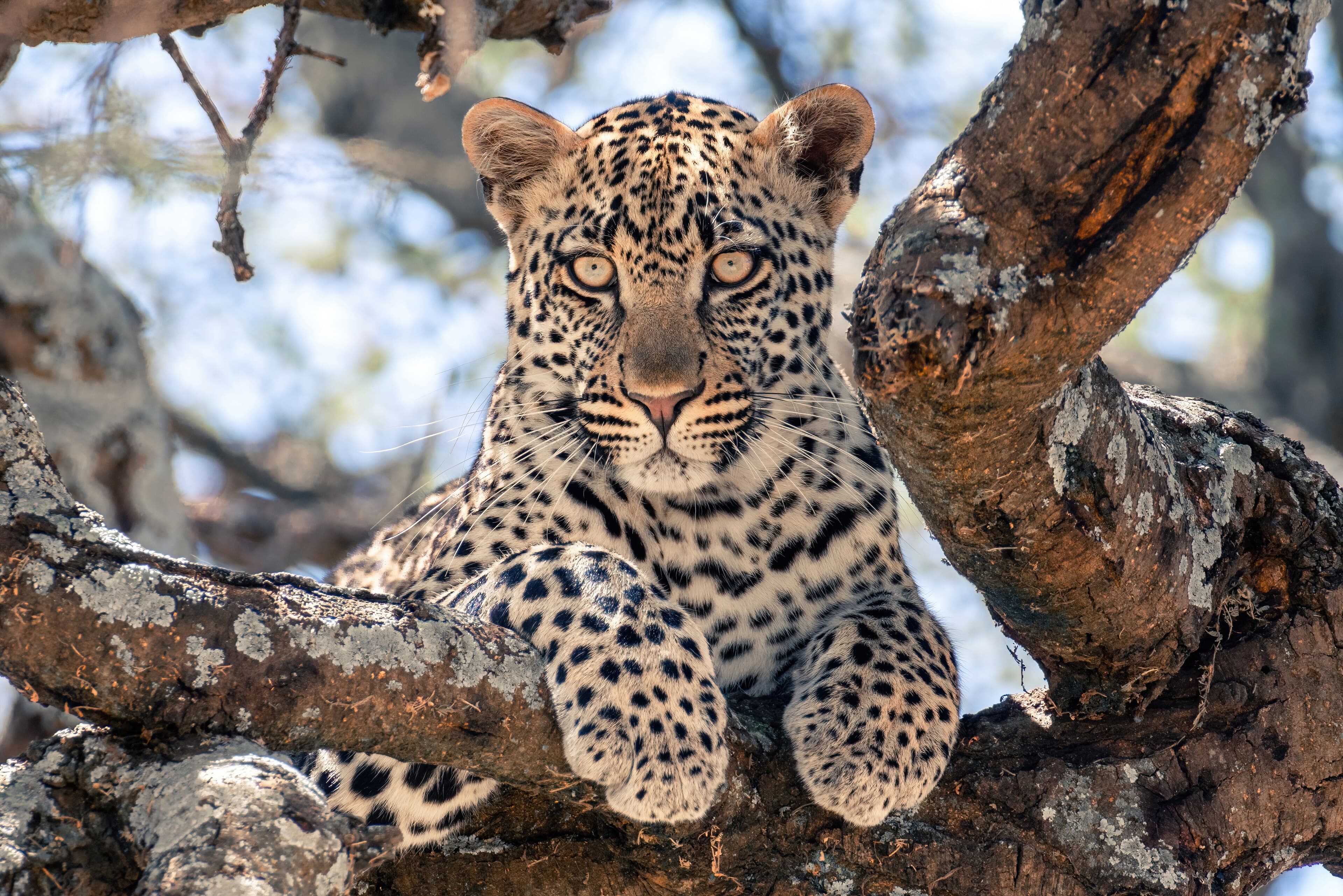
Fact-check notes · Sample article — verify all facts before editorial publication. Description, EXIF (Sony ILCE-7RM3, FE 70-200 F2.8 + 2x TC, 400 mm, 1/400 s, f/5.6, ISO 100, 9 July 2020 10:21), original pixel dimensions and awards (FP, QI, VI, POTD 22 Aug 2024, 2nd prize Wiki Loves Earth Tanzania 2022) read from the Commons file page on 2026-10-23. Leopard image description and date (10 July 2020) read from its Commons page. All analysis of light and position is explicitly the editor's interpretation.
Read next
Photographers
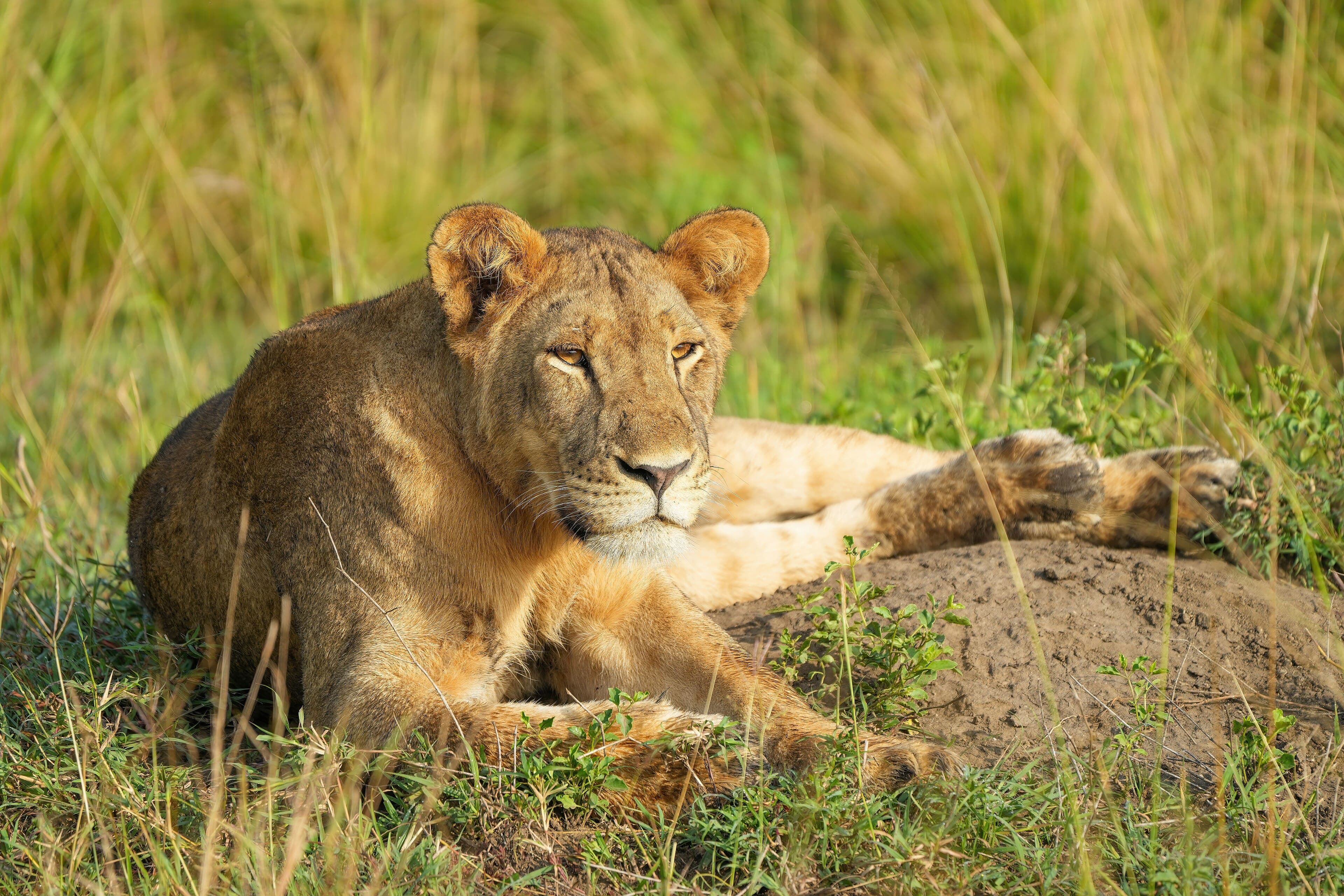
Sample contentPortfolio: eight frames by Giles Laurent
From a Serengeti lion to a breaching humpback, eight open-licensed photographs that show how one photographer works with light, timing and long lenses.
· 7 min
Behind the Shot
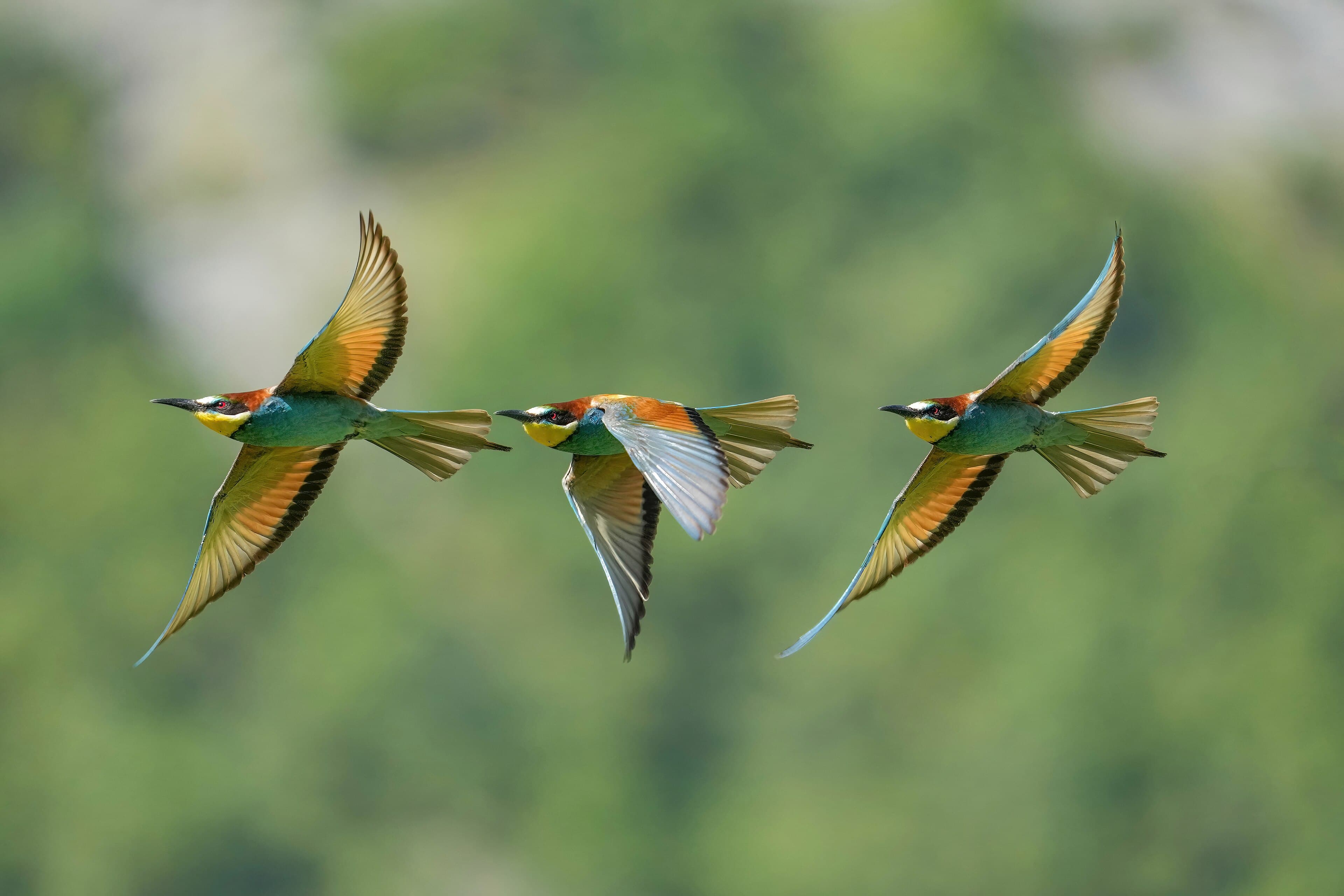
Sample contentBehind the shot: three bee-eaters that are one bird
Giles Laurent's stacked sequence of a European bee-eater shows the whole arc of a wingbeat in a single frame. Here is what a stacked image is, how this one was built, and why saying so matters.
· 6 min
News
Sample contentWildlife Photographer of the Year: how the competition works and what the winning images teach
The Natural History Museum's annual competition is the closest thing wildlife photography has to a world championship. Here is how it is judged, what it rewards and what every entrant can learn from it.
· 6 min
The WLIFE Dispatch · weekly
The week’s best wildlife photography, in one email.
New images, photographer stories, gear tested in the field and expedition openings. Free, unsubscribe any time.