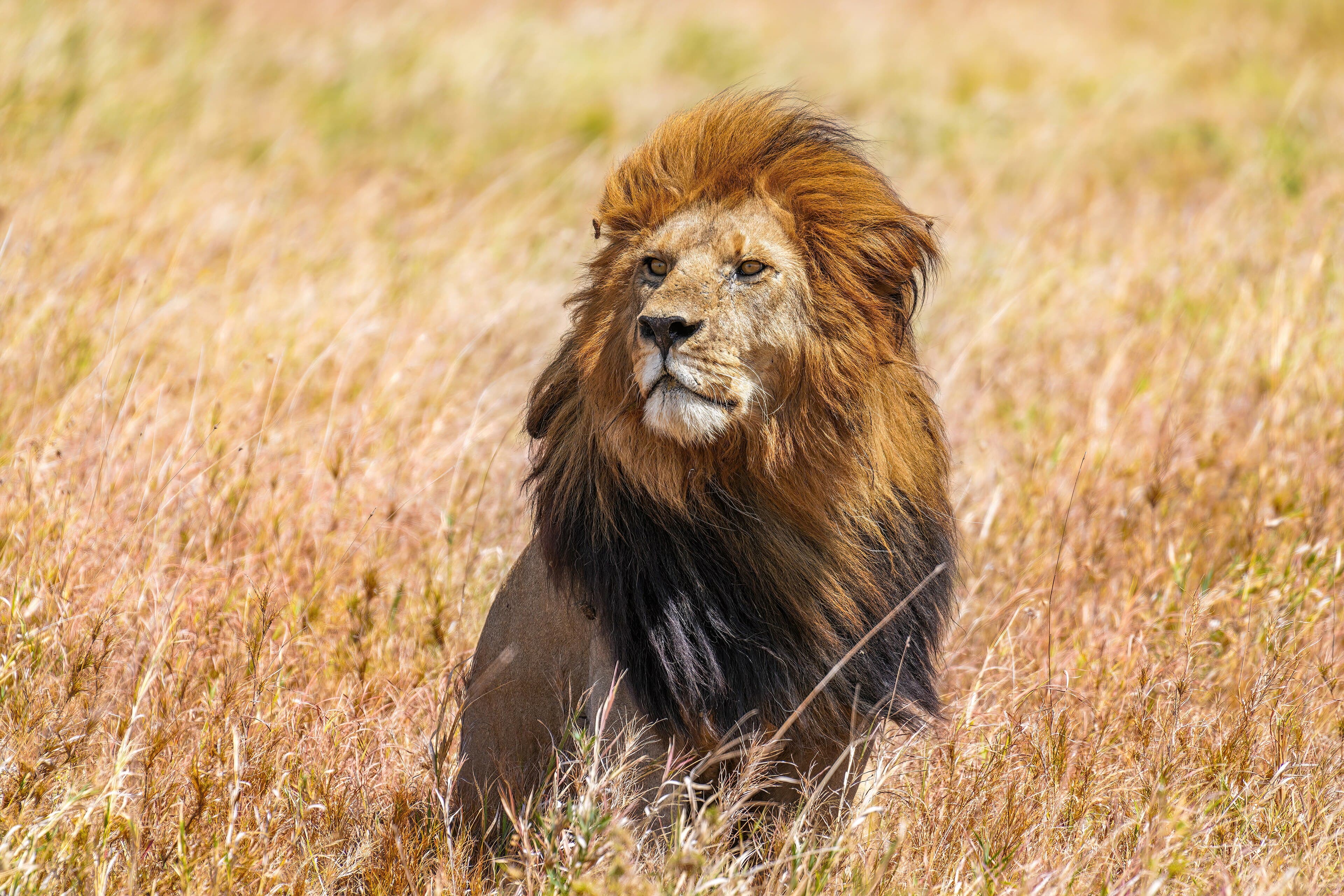
Photographed at Serengeti National Park, Tanzania
Camera data: Sony α7R III400 mmf/5.61/400 sISO 100Serengeti National Park, Tanzania
Tanzania · Moderate
Sample contentSerengeti National Park
The Serengeti is the archetypal big-cat landscape: open short-grass plains, granite kopjes and river lines where lions, cheetahs and leopards are photographed against some of the cleanest horizons in Africa.
- Best season
- Late January–March · July–October · June and November
- Difficulty
- Moderate (2/5)
- Key species
- Lion, Cheetah, Leopard, Blue wildebeest
- Budget
- USD 400–1,200 per person per day (estimate)
Tanzania
The place
Serengeti National Park lies in northern Tanzania and forms the core of a much larger ecosystem that continues north into Kenya's Maasai Mara and south-east into the Ngorongoro Conservation Area. The park itself covers roughly 14,750 square kilometres and has been a UNESCO World Heritage Site since 1981. The name comes from the Maasai word for an endless plain, and the southern and eastern sectors live up to it: treeless grassland broken only by kopjes, the rocky outcrops that lions and leopards use as lookouts.
The ecosystem is defined by the Great Migration, in which well over a million wildebeest, together with large numbers of zebra and gazelle, move in a broad annual loop following rainfall and fresh grass. Calving takes place on the southern plains around Ndutu from roughly late January to March, the herds move north-west through the Western Corridor in the long rains, and from July to October they reach the northern Serengeti and the Mara River, where the dramatic crossings happen. By November and December they drift back south. The timing shifts each year with the rains, and no crossing can be guaranteed.
Safaris are vehicle-based. Visitors stay in permanent lodges or seasonal mobile camps and go out in closed or open-sided 4x4s with roof hatches; off-road driving is not permitted inside the national park, so sightings are worked from the track network. Full-day drives with a packed lunch are the norm for photographers, because the best light is at the edges of the day and the central Seronera area can be busy mid-morning. Hot-air balloon flights operate at dawn in several sectors.
Photographically the Serengeti rewards patience with cats rather than a sightings checklist. Lions are plentiful and often relaxed around vehicles, cheetahs hunt on the open plains where a chase can be followed in the frame, and leopards use the sausage trees and river lines around Seronera. Dust, backlight and heat haze are the constant technical challenges; a bean bag on the window ledge is the usual support, and a 400–600 mm zoom covers most situations from a vehicle.
Species and photographic opportunities
The animals
- Lion
- Large prides, frequently photographed on kopjes and at kills
- Cheetah
- Open plains of the south and east; hunts visible at distance
- Leopard
- River lines and large trees around Seronera
- Blue wildebeest
- Migratory herds; calving on the southern plains early in the year
- Plains zebra
- Move with the wildebeest
- Spotted hyena
- Clan activity at dawn and dusk
- African elephant
- More common in the north and in woodland areas
- Masai giraffe
- Acacia woodland; strong silhouettes at sunset
- Thomson's gazelle
- Principal cheetah prey on the plains
- Secretarybird and other raptors
- Open-country birds; vultures at carcasses
- Lions on granite kopjes in low sidelight
- Cheetah hunts on open short-grass plains
- Leopards in sausage trees along the Seronera river lines
- Wildebeest and zebra herds in dust at sunrise and sunset
- Mara River crossings in the northern sector (July–October)
- Dawn balloon flights for high-angle landscape and herd images
In pictures · 4 frames
01Chosen frame
02
03
04
Serengeti National Park in pictures
- 01A male lion with a full dark mane stares directly into the lens on the Serengeti plainsSerengeti National Park, Tanzania · Giles Laurent · CC BY-SA 4.0
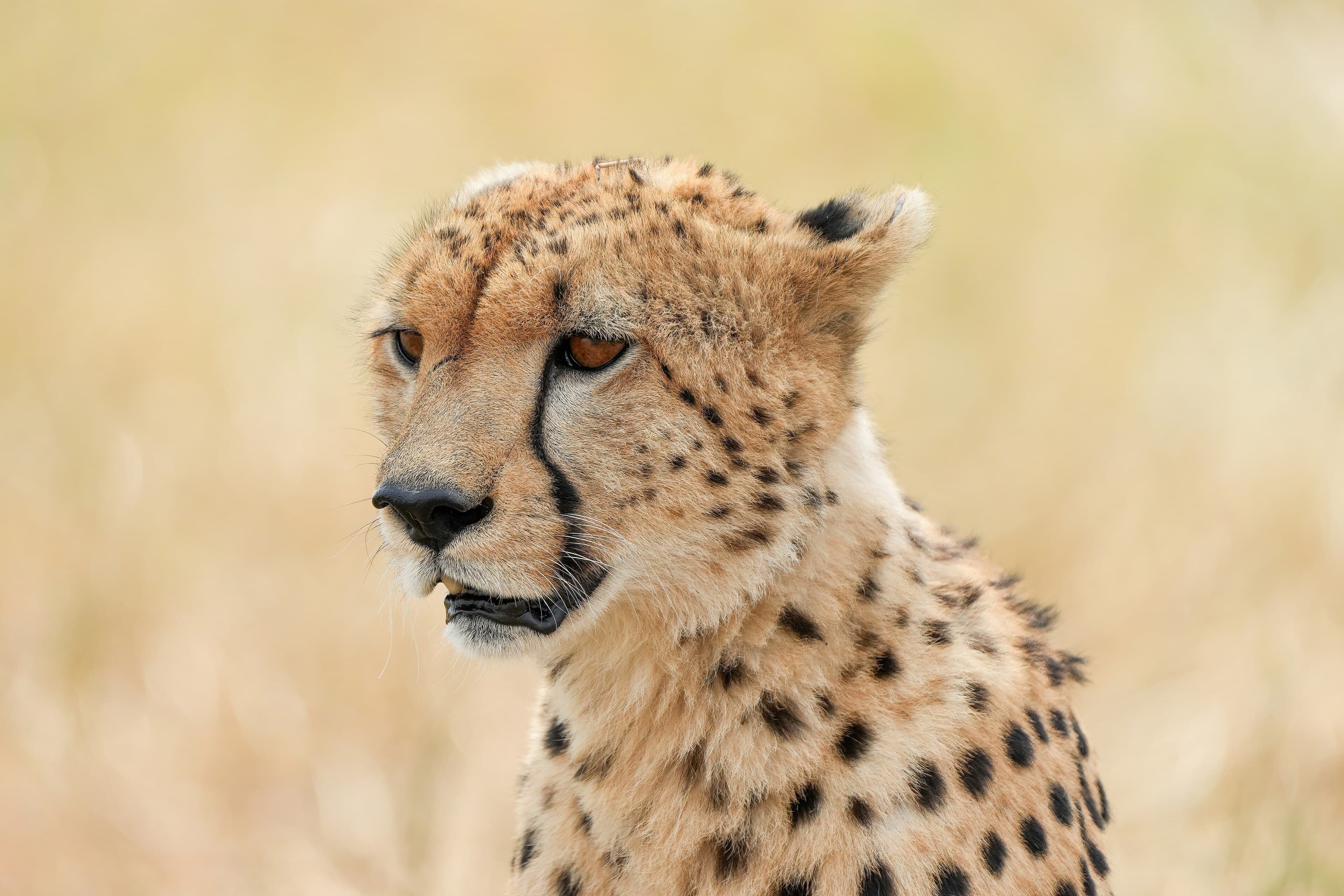
- 02Tight portrait of a cheetah's face and amber eyes in the SerengetiSerengeti National Park, Tanzania · Giles Laurent · CC BY-SA 4.0
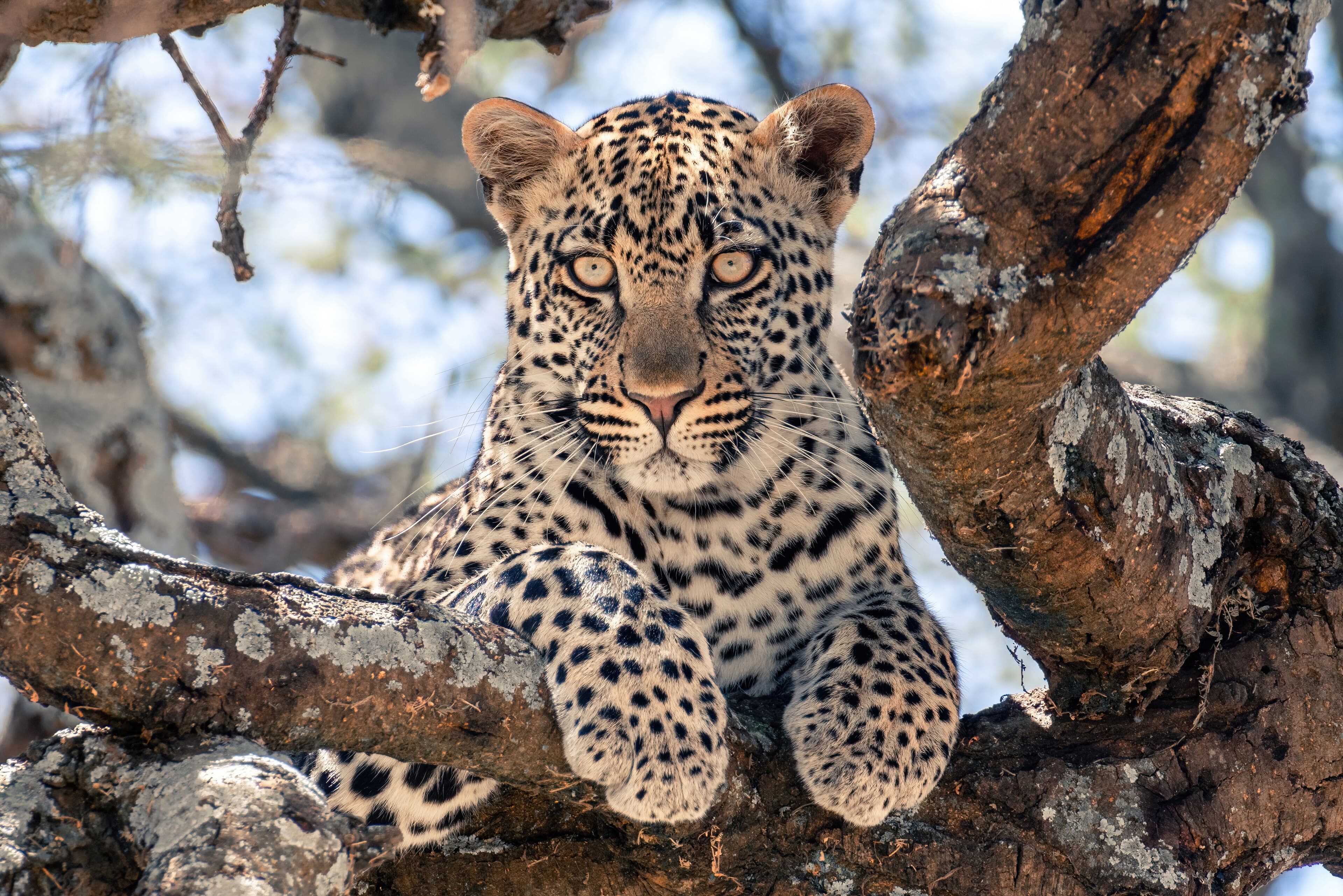
- 03A juvenile leopard resting in the Serengeti, looking toward the cameraSerengeti National Park, Tanzania · Giles Laurent · CC BY-SA 4.0
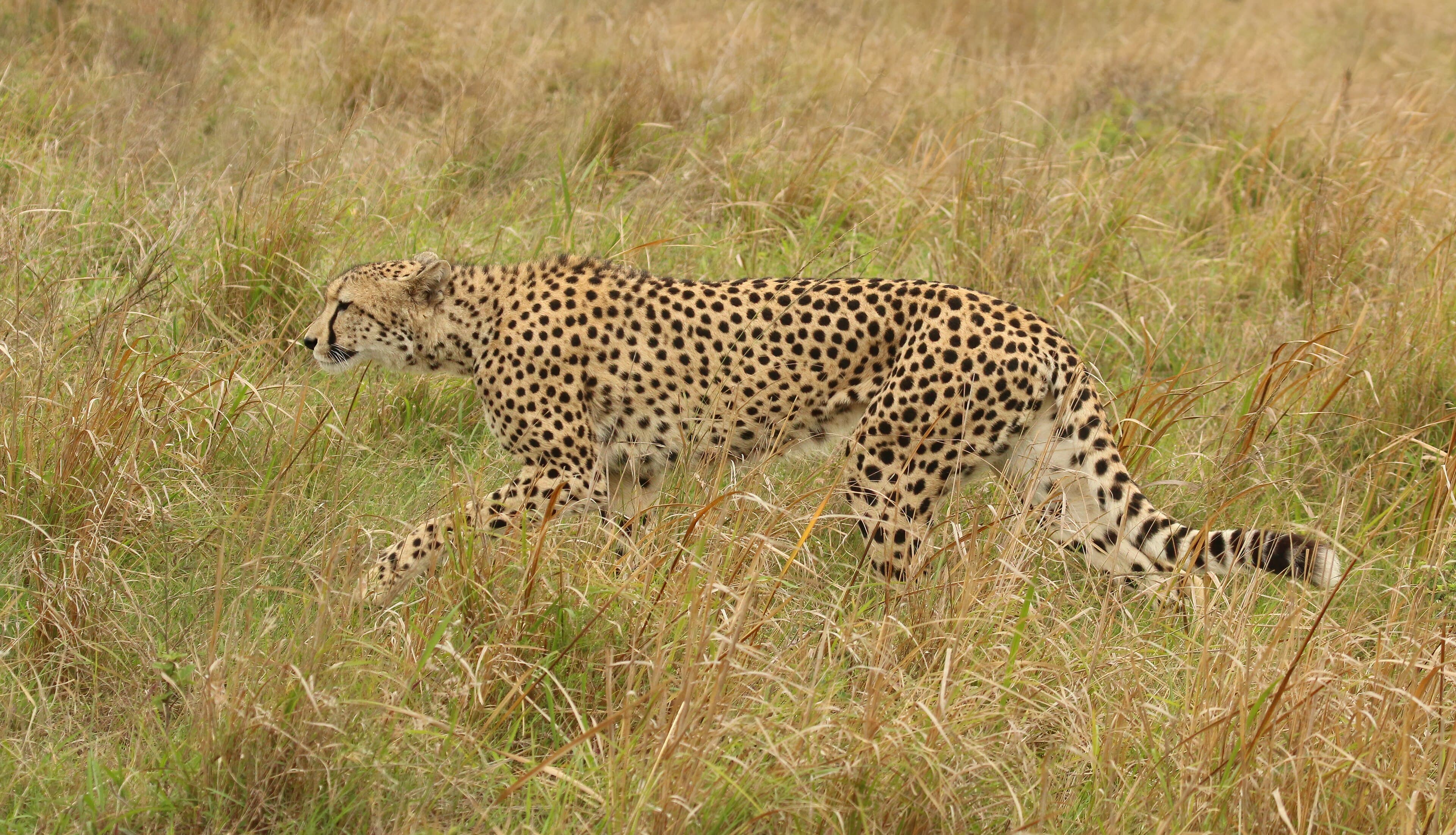
- 04A female cheetah panting after a chase, lying in short grassPhinda Private Game Reserve, South Africa · Charles J. Sharp · CC BY-SA 4.0
When to go
The season
| Months | Why |
|---|---|
| Late January–March | Calving season on the southern plains: newborn wildebeest draw concentrated predator activity. |
| July–October | Herds in the northern Serengeti with Mara River crossings; dry, dusty and reliably clear light. |
| June and November | Shoulder months with fewer vehicles; herds in transit and good general game around Seronera. |
Light, access and conditions
The ground
- Altitude roughly 1,100–1,800 m; warm days and cool mornings, with cold dawn drives in open vehicles
- Fine dust penetrates everything in the dry season; keep lens changes to a minimum and cover bodies between sightings
- Long rains March–May and short rains November–December can make tracks muddy and skies overcast
- Off-road driving is prohibited inside the national park; distances to subjects are dictated by the track network
- Malaria risk is present; seek medical advice before travel
- Long transfer distances between sectors; small aircraft have strict luggage limits that affect camera gear
Trip difficulty: Moderate. Physically easy: almost all photography is from a vehicle. The challenge is long days, early starts and managing dust and heat haze.
Editorial estimate
The cost
USD 400–1,200 per person per day (USD)
Basis: Mid-range lodge or mobile camp, shared or private vehicle, park fees included; excludes international and internal flights
Editorial estimate only, not a quote. Ranges are broad and exclude international flights. Verify current rates, park fees and seasonal surcharges with operators before planning. Last reviewed 2026-10-20.
Questions
Which part of the Serengeti should a photographer base in?
It depends on the month. The southern plains and Ndutu area suit calving season early in the year, Seronera is strong for leopards and lions year-round, and the northern sector around the Mara River is the place for crossings from roughly July to October.
Can vehicles drive off-road to get closer to animals?
No. Off-road driving is not allowed inside Serengeti National Park, so sightings are worked from established tracks. A 500–600 mm reach and a good guide who understands angles and light matter more than proximity.
Is the migration guaranteed?
No. The herds follow rainfall, and timing varies from year to year. Treat published calendars as typical patterns and choose a sector that has excellent resident wildlife as well.
Credits
- Photograph
- Giles Laurent · Serengeti National Park, Tanzania · CC BY-SA 4.0
- Photograph
- Giles Laurent · Serengeti National Park, Tanzania · CC BY-SA 4.0
- Photograph
- Giles Laurent · Serengeti National Park, Tanzania · CC BY-SA 4.0
- Photograph
- Charles J. Sharp · Phinda Private Game Reserve, South Africa · CC BY-SA 4.0
Expeditions in Serengeti National Park
All expeditions- ConceptSerengeti big-cat photography expedition9 days · max 6 photographers
February to March (calving season) or August to October (northern river crossings)Sample content