Sample content
Best telephoto lenses for wildlife photography: how to choose
There is no single best lens, but there is a right way to decide. A framework built on focal length, aperture, weight, teleconverters and the used market.
· 8 min
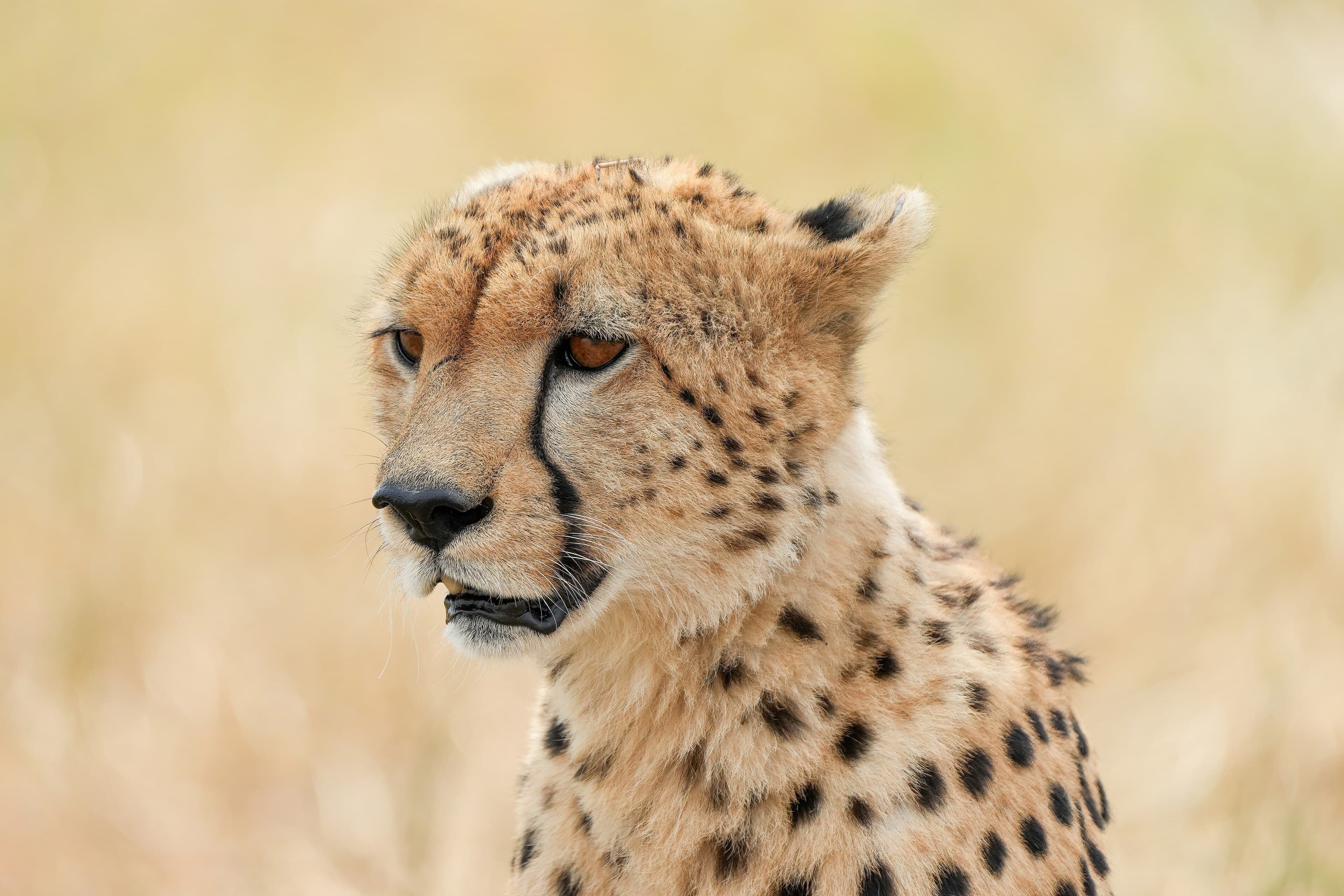
Photographed at Serengeti National Park, Tanzania
Camera data: Sony α1600 mmf/6.31/2000 sISO 640Serengeti National Park, Tanzania
Equipment and technique, tested in the field
Field-tested equipment guides, buying advice and the technique that turns gear into images.
Some links on WLIFE are affiliate links. If you buy through them we may earn a commission at no additional cost to you. We only link to equipment and services our editorial team would recommend regardless of commission, and we never accept payment for favourable reviews. Prices and availability change: always check the retailer page.
Buying guides & technique
There is no single best lens, but there is a right way to decide. A framework built on focal length, aperture, weight, teleconverters and the used market.
· 8 min
Shutter speeds for birds and mammals, auto ISO, autofocus modes, back-button focus, burst and RAW: the settings to dial in before the animal appears, and why.
· 8 min
Equipment directory
A curated directory, not a catalogue. Key facts are checked against the manufacturer; prices are never quoted here — check them live at the retailer.
Autofocus that tracks eyes, frame rates that catch the moment, buffers that do not choke.
Sony
Sony's flagship combines a 50-megapixel stacked sensor with 30 fps bursts, so you can crop hard and still keep the frame rate for action. Pre-capture and subject recognition make it a strong choice for birds and unpredictable behaviour.
WLIFE may earn a commission from qualifying purchases made through links on this page, at no extra cost to you. Editorial recommendations are never influenced by commissions.
Canon
A 45-megapixel all-rounder with a stacked sensor fast enough for 30 fps and a pre-continuous buffer that catches the take-off you reacted to late. Eye Control AF lets you move the focus point by looking at the subject.
WLIFE may earn a commission from qualifying purchases made through links on this page, at no extra cost to you. Editorial recommendations are never influenced by commissions.
Nikon
The Z8 packs the Z9's sensor and autofocus into a smaller body that is easier to live with on long drives and treks. Pre-Release Capture and a 120 fps JPEG mode cover the moments that normally get away.
WLIFE may earn a commission from qualifying purchases made through links on this page, at no extra cost to you. Editorial recommendations are never influenced by commissions.
OM System
The Micro Four Thirds option for photographers who want to travel light: the 2x crop factor turns a compact 300 mm into an effective 600 mm. Pro Capture and an IP53 sealing rating make it a favourite for birds and bad weather.
WLIFE may earn a commission from qualifying purchases made through links on this page, at no extra cost to you. Editorial recommendations are never influenced by commissions.
Reach, light and weight — the three-way trade every wildlife photographer makes.
Sony
The default long zoom for Sony wildlife shooters: 600 mm of reach in an internal-zoom barrel that does not change length while tracking a subject. It balances well on a bean bag or gimbal and accepts Sony's teleconverters for extra reach.
WLIFE may earn a commission from qualifying purchases made through links on this page, at no extra cost to you. Editorial recommendations are never influenced by commissions.
Canon
Canon's go-anywhere L-series wildlife zoom: light enough to hand-hold all day from a vehicle, with a close-focus distance that also handles birds and small mammals. Pair it with the RF 1.4x extender when 500 mm is not enough.
WLIFE may earn a commission from qualifying purchases made through links on this page, at no extra cost to you. Editorial recommendations are never influenced by commissions.
Nikon
Nikon's affordable long zoom for the Z system, with an internal zoom mechanism and a short zoom-ring throw that suits fast-moving wildlife. It is the natural partner for the Z8 and Z9 on safari and in hides.
WLIFE may earn a commission from qualifying purchases made through links on this page, at no extra cost to you. Editorial recommendations are never influenced by commissions.
Sigma
A third-party alternative for Sony E and L-Mount bodies that brings Sigma's Sports-line build to a mirrorless long zoom. It is a common choice for photographers who want 600 mm without the first-party price premium.
WLIFE may earn a commission from qualifying purchases made through links on this page, at no extra cost to you. Editorial recommendations are never influenced by commissions.
Extra reach at the cost of a stop; worth it on the right lens.
Sony
Turns the FE 200-600 into an 840 mm F9 for distant birds and shy mammals while keeping autofocus and stabilisation. Small enough to live in a pocket of the camera bag for the days when the subject will not come closer.
WLIFE may earn a commission from qualifying purchases made through links on this page, at no extra cost to you. Editorial recommendations are never influenced by commissions.
Canon
Canon's 1.4x extender takes the RF 100-500 to 700 mm and the RF 600 f/4 to 840 mm with autofocus retained. It shares the lens line's dust- and drip-resistant build and white heat-shield finish.
WLIFE may earn a commission from qualifying purchases made through links on this page, at no extra cost to you. Editorial recommendations are never influenced by commissions.
Nikon
Adds 40 percent reach to the Z 180-600 and Nikon's long primes for the cost of one stop of light. It is sealed to the same standard as S-Line lenses, so it can stay mounted in rain or dust.
WLIFE may earn a commission from qualifying purchases made through links on this page, at no extra cost to you. Editorial recommendations are never influenced by commissions.
Gimbals, carbon legs and bean bags for long glass.
Wimberley
The reference gimbal head: a balanced 600 mm lens floats weightlessly, so you can follow flight and pan smoothly for minutes without fatigue. It is the standard on tripods in hides and at eagle, puffin and gannet sites.
WLIFE may earn a commission from qualifying purchases made through links on this page, at no extra cost to you. Editorial recommendations are never influenced by commissions.
Gitzo
A tall, column-free carbon tripod whose flat top plate takes a gimbal head directly, giving a rigid platform for long lenses. The long leg sections reach eye level without a centre column, which matters for stability in wind.
WLIFE may earn a commission from qualifying purchases made through links on this page, at no extra cost to you. Editorial recommendations are never influenced by commissions.
LensCoat
On safari the vehicle window or roof hatch is your tripod, and a bean bag is the fastest, quietest support there is. The LensSack Pro adds a removable plate so a gimbal or ball head can sit on top of the bag.
WLIFE may earn a commission from qualifying purchases made through links on this page, at no extra cost to you. Editorial recommendations are never influenced by commissions.
Fast cards for fast cameras, and somewhere safe to back them up in the field.
ProGrade Digital
Thirty-frame-per-second bursts fill a buffer fast, and the card decides how soon you can shoot again. A VPG400-rated CFexpress 4.0 card keeps up with current Canon and Nikon flagships and clears the buffer between sequences.
WLIFE may earn a commission from qualifying purchases made through links on this page, at no extra cost to you. Editorial recommendations are never influenced by commissions.
Samsung
A rubber-armoured portable SSD for nightly backups in camp, where dust, knocks and the odd rain shower are normal. Fast enough to copy a full day of cards while you eat dinner.
WLIFE may earn a commission from qualifying purchases made through links on this page, at no extra cost to you. Editorial recommendations are never influenced by commissions.
Carrying a 600 mm lens across an airport and into a hide.
f-stop
A mountain-style pack with a removable camera insert that swallows a 600 mm lens with a body attached. The harness carries the weight on hips rather than shoulders, which matters on gorilla trails and long walks to hides.
WLIFE may earn a commission from qualifying purchases made through links on this page, at no extra cost to you. Editorial recommendations are never influenced by commissions.
The small things that save a shoot.
Think Tank Photo
Rain, spray and dust arrive exactly when the action does, and a purpose-cut cover lets you keep shooting instead of packing up. This one is cut for a full-frame body with a 300 mm f/2.8 to 600 mm f/4-class lens.
WLIFE may earn a commission from qualifying purchases made through links on this page, at no extra cost to you. Editorial recommendations are never influenced by commissions.
ZEISS
Dust on the front element shows up as a loss of contrast long before you notice it in the viewfinder. A large, clean microfibre cloth and a blower are the only cleaning tools most field days need.
WLIFE may earn a commission from qualifying purchases made through links on this page, at no extra cost to you. Editorial recommendations are never influenced by commissions.
Petzl
Pre-dawn departures, hide changeovers and camp life all happen in the dark, and a red mode preserves night vision without disturbing animals or other photographers. The hybrid battery system means AAA cells can stand in when there is no power.
WLIFE may earn a commission from qualifying purchases made through links on this page, at no extra cost to you. Editorial recommendations are never influenced by commissions.
Optics and kit that make you a better naturalist, not only a better photographer.
Swarovski Optik
Good binoculars find the animal before the lens does, and on safari you will spend more time scanning than shooting. The NL Pure's wide field of view makes it easier to pick movement out of grass and scrub.
WLIFE may earn a commission from qualifying purchases made through links on this page, at no extra cost to you. Editorial recommendations are never influenced by commissions.
Fieldcraft
Flight photography is the hardest discipline in wildlife work and the most learnable. Approach, light, tracking, backgrounds and ethics, in the order that matters.
· 8 min
The WLIFE Dispatch · weekly
New images, photographer stories, gear tested in the field and expedition openings. Free, unsubscribe any time.