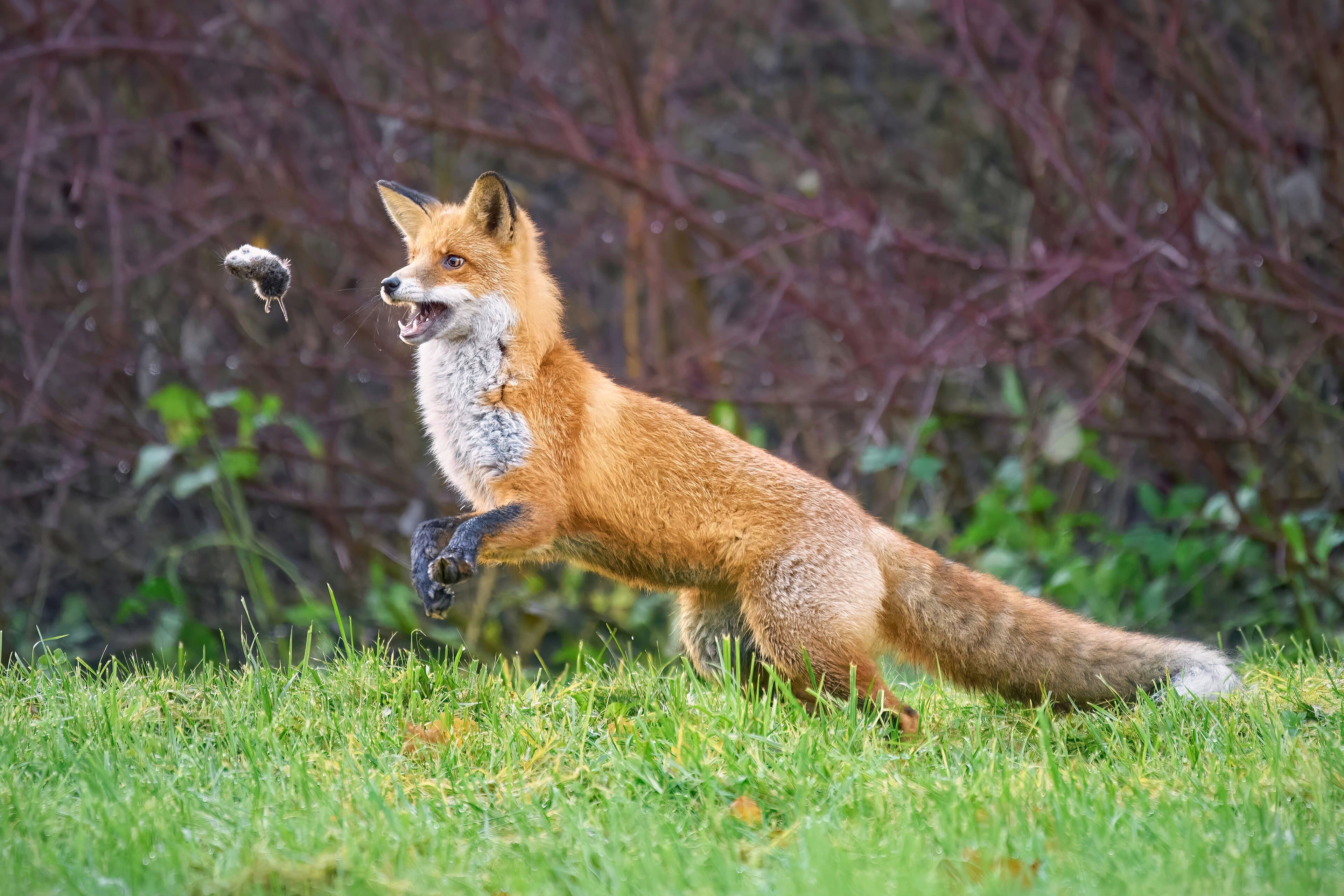
Photographed at Tolyatti, Samara Oblast, Russia
Camera data: Sony α7R V400 mmf/5.61/1000 sISO 8000Tolyatti, Samara Oblast, Russia
Wildlife Photographer of the Year: how the competition works and what the winning images teach
The Natural History Museum's annual competition is the closest thing wildlife photography has to a world championship. Here is how it is judged, what it rewards and what every entrant can learn from it.
By WLIFE Editorial6 min read
Ask almost any wildlife photographer which award they would most like to win and the answer is usually the same. Wildlife Photographer of the Year, run and owned by the Natural History Museum in London, has become the benchmark against which the genre measures itself. Its winning images travel the world in a touring exhibition, appear in a hardcover book and are reproduced by media outlets on every continent. Yet many photographers who dream of entering have only a hazy idea of how the competition actually works. This explainer sets out the mechanics, the ethics and the lessons that stay useful whether or not you ever submit a frame.
A brief history
The competition is older than most people assume. According to the Museum, it was founded in 1965 by BBC Wildlife Magazine, which was then called Animals. The Natural History Museum joined forces with the magazine in 1984 to create the competition in the form it has today, and the annual competition and touring exhibition are now run and owned by the Museum. The sixtieth edition opened for entries in October 2023, which gives a sense of how continuous the event has been across six decades of changing cameras, film stocks and sensors.
Scale is part of the story. The Museum reported that the fifty-ninth competition received nearly 50,000 entries from 95 countries. For an entrant, that number is worth keeping in mind: a strong image is not enough on its own, because thousands of strong images arrive every year. What separates the hundred frames that make the final exhibition is something more specific, and the rules spell out what that is.
Who can enter, and how
There are two competitions under one name. The main Wildlife Photographer of the Year competition is open to photographers aged 18 and over, who may submit up to 25 photographs across the Museum's 19 categories. Categories span animal portraiture, photojournalism, urban wildlife and underwater work, among others, and several of them are multiple-image categories that require a story told in six to ten photographs. Black and white images are accepted in every category.
Alongside it sits Young Wildlife Photographer of the Year, for photographers aged 17 and under on the competition's closing day. It is organised into three age brackets, entrants may submit up to ten photographs, and the Museum states that entry for young photographers is free. The young Grand Title winner receives a two-day masterclass with a professional photographer; adult Grand Title winners receive what the Museum describes as a substantial cash prize.
How judging works
Judging happens in two rounds and is anonymous throughout: the panel does not know whose work it is looking at. The Museum's own wording is that each entry is judged on its originality, narrative and ethical practice. Those three words are the most useful thing an aspiring entrant can memorise. Originality asks whether the image shows something the jury has not seen a hundred times. Narrative asks whether the frame tells a story or reveals behaviour rather than simply documenting an animal. Ethical practice asks how the picture was made.
Two further details matter. The Museum states that the judges will favour images that have not already been awarded in other international competitions, and that the final round includes authenticity checks to confirm that pictures follow the rules and the ethics of the competition. Recent rule updates also require that photographs were taken within the last five years and are the result of a photographic process using a camera.
The ethics rules, in plain language
The competition's ethical framework is unusually explicit, and it has shaped standards far beyond the competition itself. The Museum says it champions truthful representations of nature that display respect for the environment. Entrants are told to put wildlife welfare first and to take photographs in natural situations without interference. The list of prohibitions is just as clear:
- No baiting, which the rules define to include luring with food or feeders, scent or sound.
- No injuring or distressing an animal, and no damaging its habitat.
- No farm animals, family pets, or cultivated plants and fungi.
- No AI-generated content.
Read together, these rules describe a philosophy rather than a checklist: the photograph should be a record of something that genuinely happened in the wild, made without the photographer manufacturing the moment. That principle is worth adopting whether or not you ever enter. It is also why WLIFE labels composite images and captive subjects wherever they appear on this site.
What the winning images teach
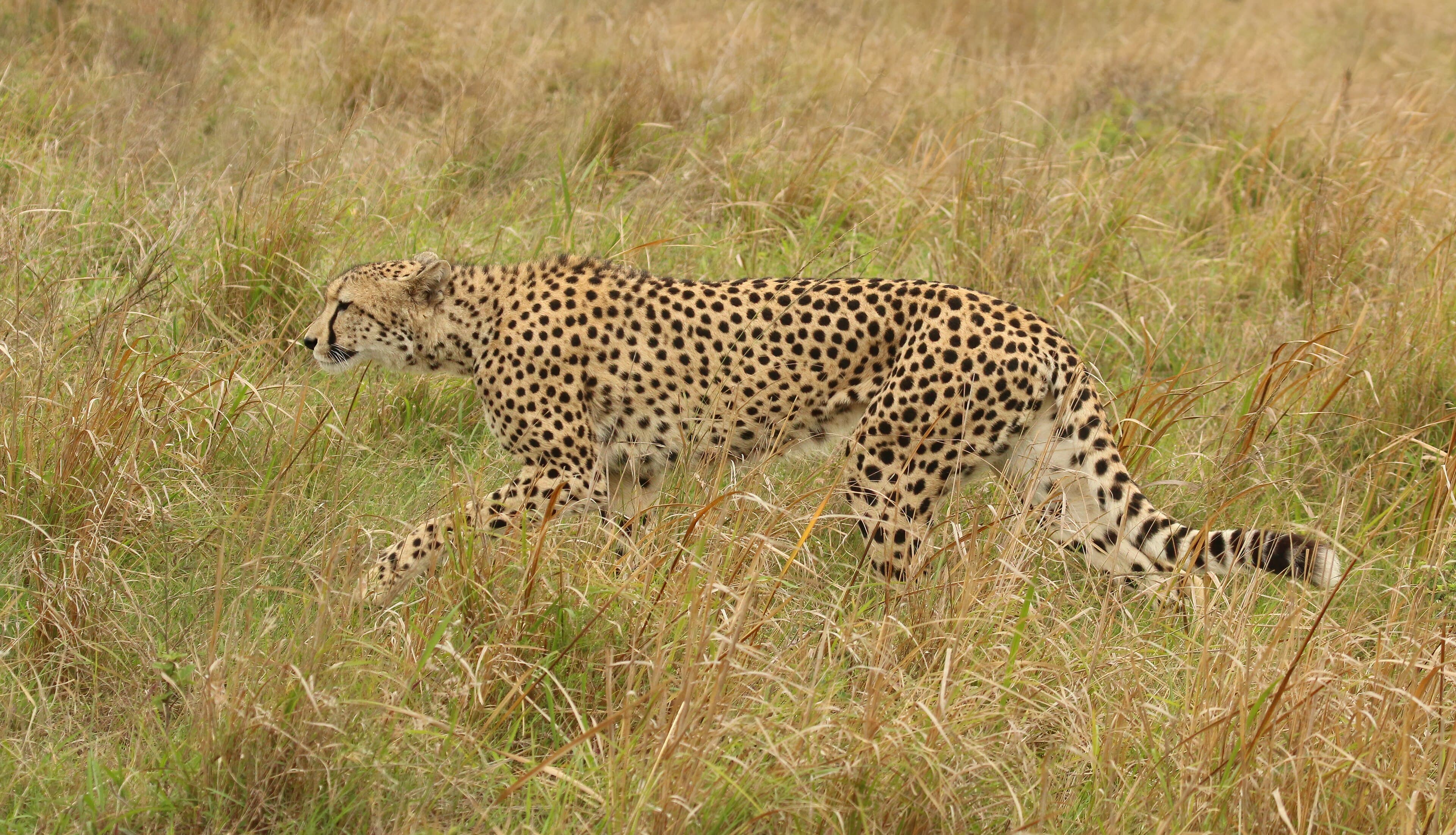
Look through any year's exhibition and some patterns recur. The first is that behaviour beats beauty. A sharp, well-lit portrait of a lion is a fine photograph, but the jury has seen thousands of them. A lion doing something, in light that explains the moment, is rarer. The second is that context is a subject. Many awarded frames step back to show the animal inside a landscape, a weather system or a human-made environment, because that is where the story lives. The third is that restraint reads as confidence. Heavy processing, over-saturated colour and extreme crops tend to look anxious next to images that trust the moment they captured.
There is a fourth lesson that is easy to miss: the winning photographers almost always know their subject deeply. Behaviour cannot be anticipated without knowledge, and the decisive frame is usually the product of weeks or seasons spent with one species rather than a lucky encounter on a single morning. The competition rewards fieldcraft at least as much as it rewards equipment. If you are building towards an entry, the most valuable investment is time with an animal you understand, not a longer lens. For where to start, see our Serengeti destination guide and our fieldcraft series.
Sources
About the author
WLIFE Editorial
The WLIFE editorial desk researches, writes and fact-checks stories about wildlife photography, photographers, equipment and expeditions.
Credits
- Words
- WLIFE Editorial
- Photograph
- Andrey Gulivanov · Tolyatti, Samara Oblast, Russia · CC BY 2.0
- Photograph
- Charles J. Sharp · Phinda Private Game Reserve, South Africa · CC BY-SA 4.0
- Fact-check
- In progress
Fact-check notes · Sample article — verify all facts before editorial publication. Verified on 2026-10-23 against nhm.ac.uk/wpy/competition (organiser, annual, 18+ and 17-and-under competitions, 19 categories, 25 entries, 6–10 images for multiple-image categories, anonymous two-round judging on originality/narrative/ethical practice, authenticity checks, baiting/AI/pets prohibitions) and the NHM press release for the sixtieth competition (founded 1965 by BBC Wildlife Magazine then called Animals; NHM joined 1984; ~50,000 entries from 95 countries for the 59th; sixtieth edition opened for entries October 2023; five-year and camera-process rules; prizes). Category counts change by year — re-check before publication.
Read next
Fieldcraft & Technique
Sample contentHow to photograph birds in flight
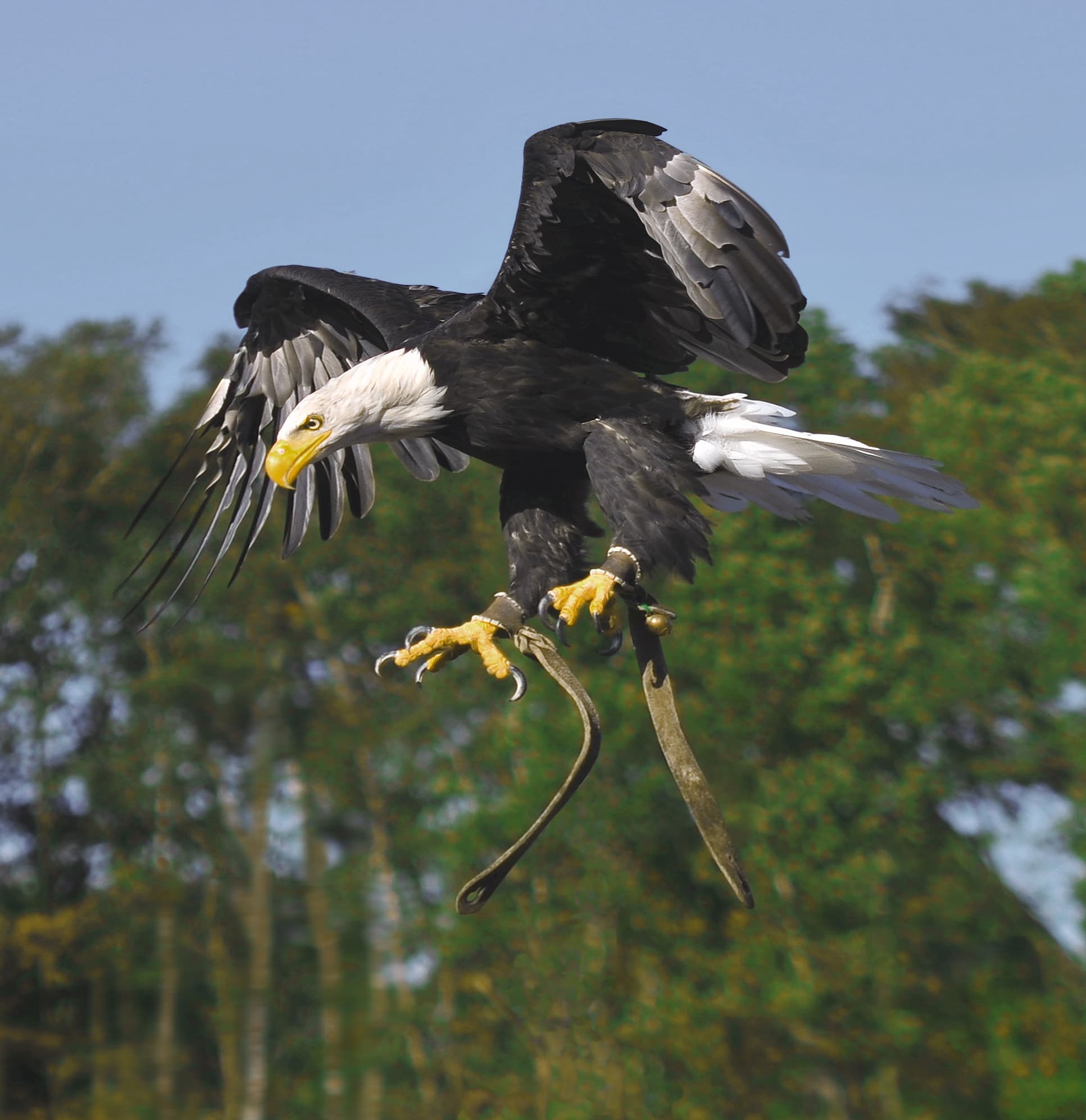
Flight photography is the hardest discipline in wildlife work and the most learnable. Approach, light, tracking, backgrounds and ethics, in the order that matters.
· 8 min
Behind the Shot
Sample contentBehind the shot: Snyggve, the Serengeti lion who looked back
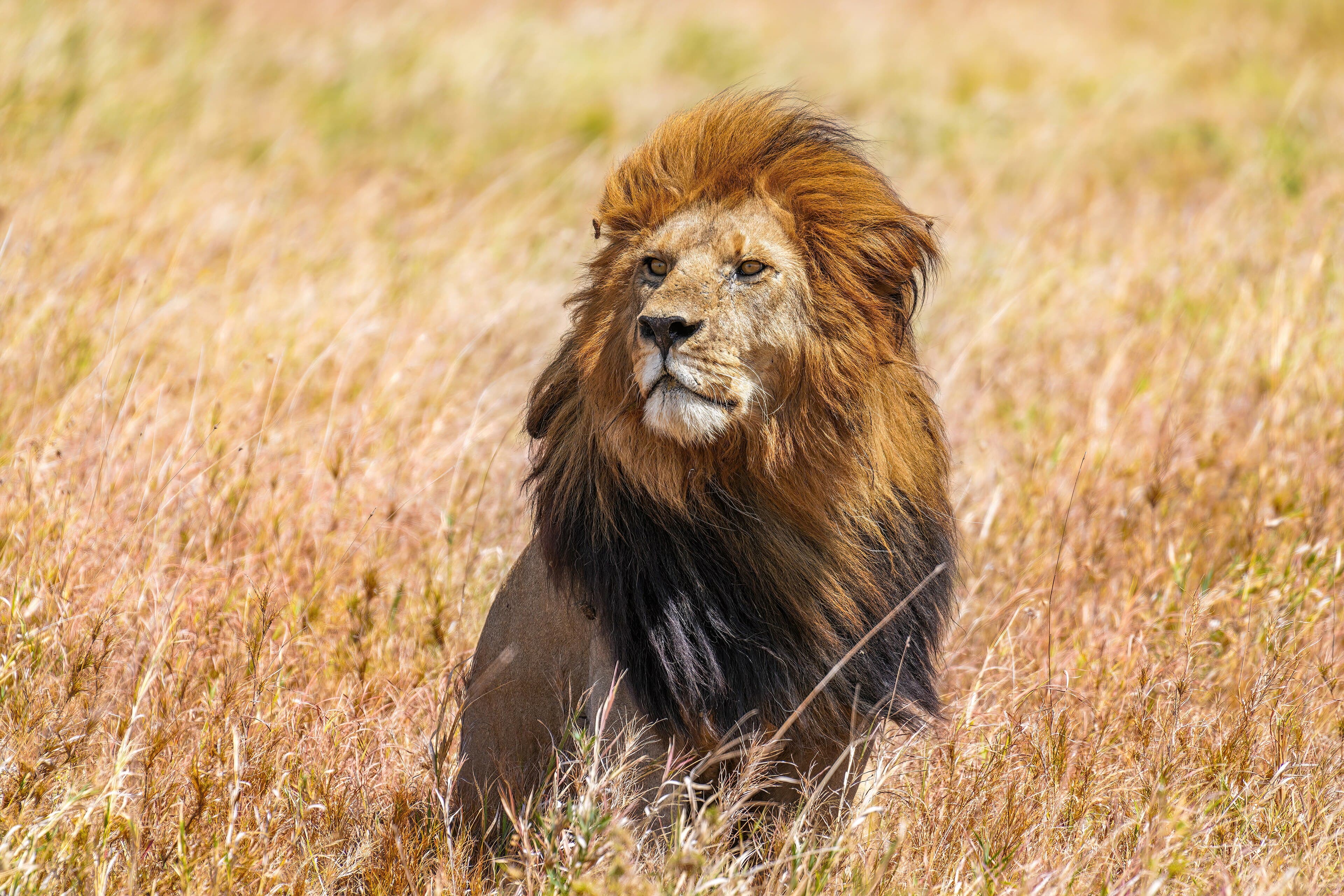
A direct gaze, soft light and a background that disappears: what the file data and the frame itself tell us about one of the most-viewed lion portraits on Wikimedia Commons.
· 6 min
News
Sample contentThe telephoto zoom generation: why 150–600 mm lenses changed who can photograph wildlife
A decade ago, 600 mm was a focal length reserved for professionals with a car-sized budget. A wave of affordable super-telephoto zooms quietly rewrote the rules of entry.
· 6 min
The WLIFE Dispatch · weekly
The week’s best wildlife photography, in one email.
New images, photographer stories, gear tested in the field and expedition openings. Free, unsubscribe any time.