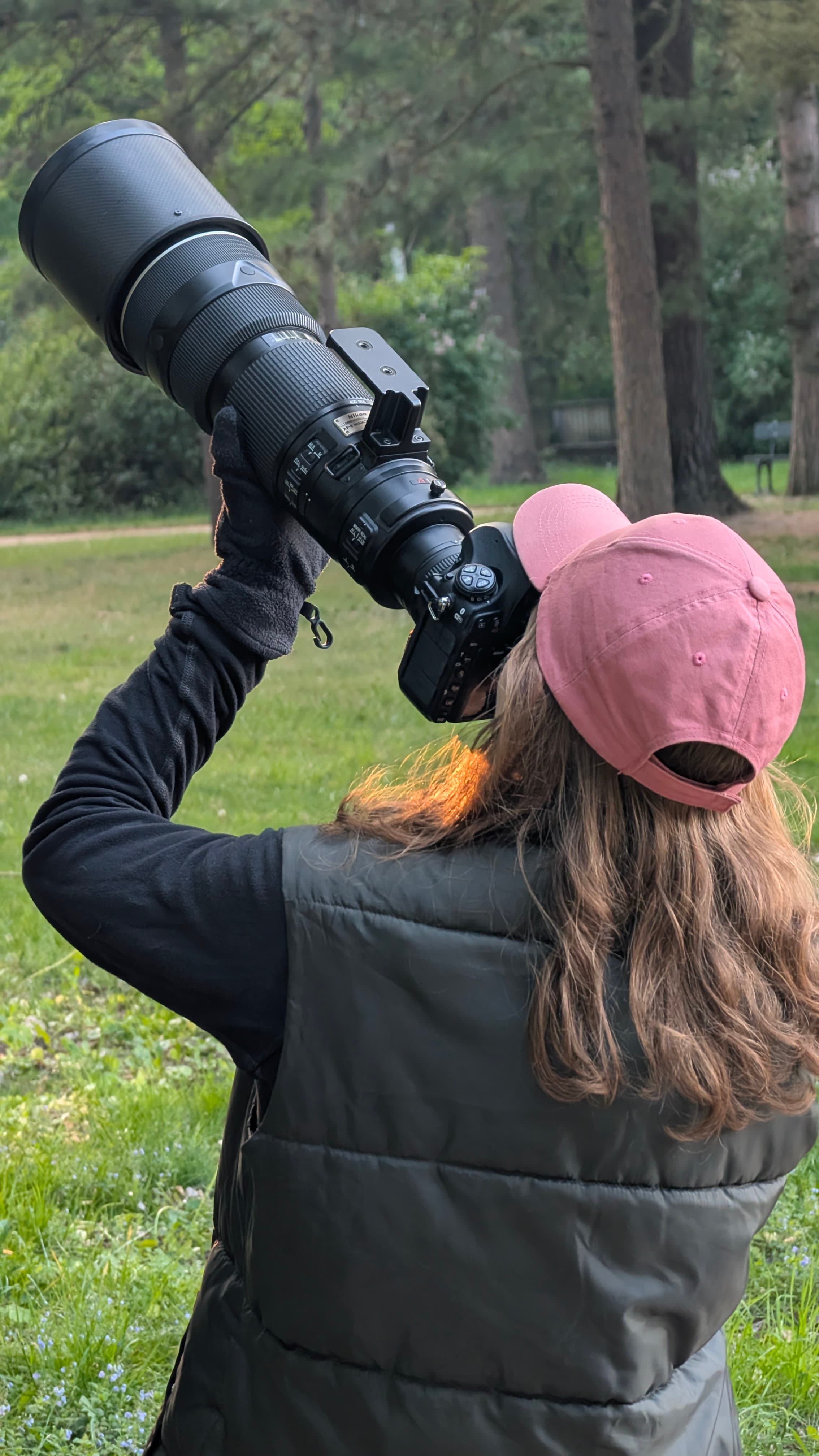
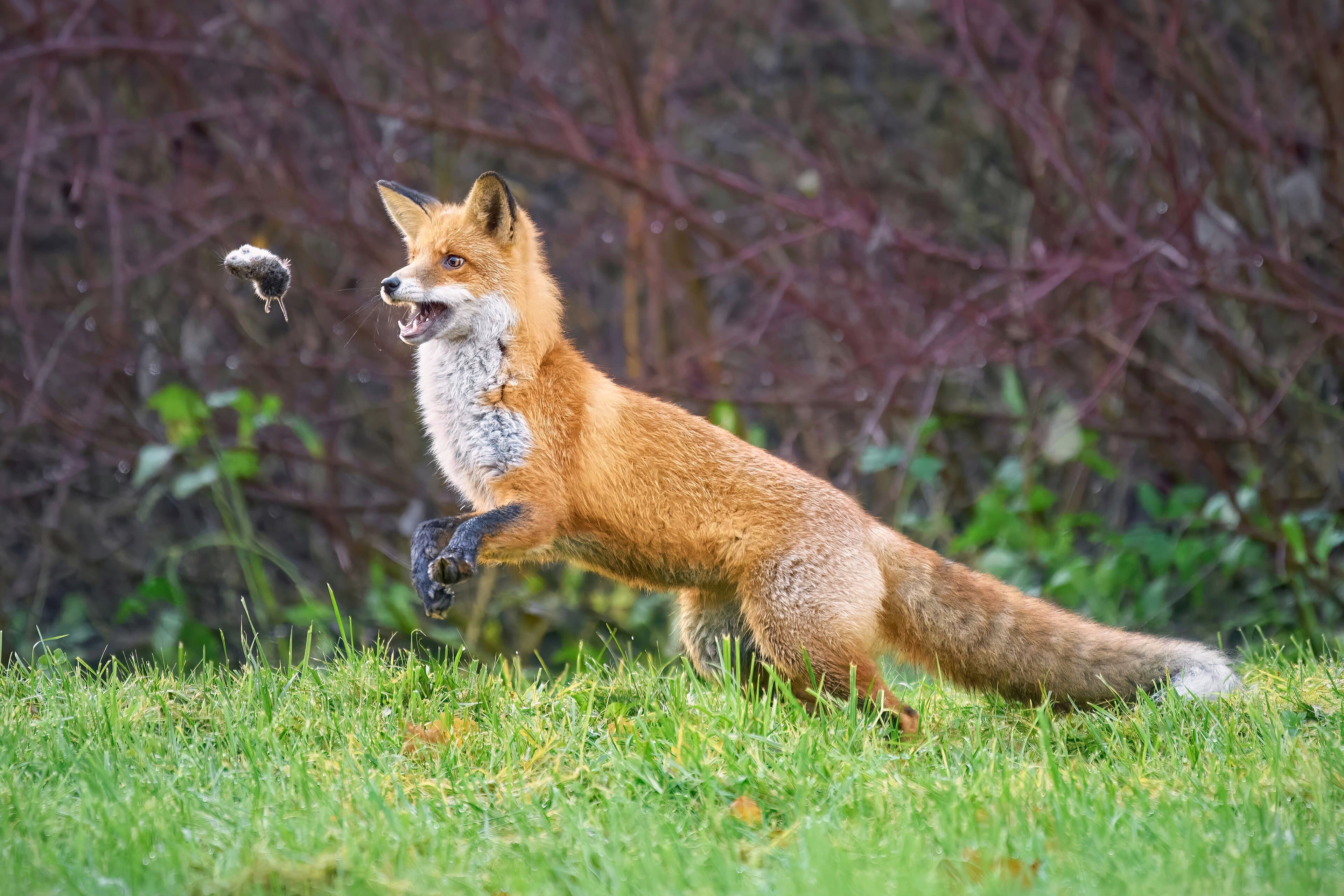
Photographed at Łazienki Park, Warsaw, Poland
Camera data: 18 mmf/2.81/120 sISO 329Łazienki Park, Warsaw, Poland
The telephoto zoom generation: why 150–600 mm lenses changed who can photograph wildlife
A decade ago, 600 mm was a focal length reserved for professionals with a car-sized budget. A wave of affordable super-telephoto zooms quietly rewrote the rules of entry.
By WLIFE Editorial6 min read
For most of the history of wildlife photography, reach was the great divider. The animals that people most wanted to photograph, from raptors to big cats, were also the animals that would not let you anywhere near them. Getting a frame-filling image of a wild bird meant a 500 mm or 600 mm prime lens, and those lenses were large, heavy and priced like a used car. The genre's upper tier was, in practice, defined by who could afford the glass. That began to change in the mid-2010s, and the change came not from the big camera brands but from third-party lens makers.
The lenses that started it
Tamron's SP 150–600 mm f/5–6.3 Di VC USD arrived in late 2013, and within a year Sigma had answered with two 150–600 mm lenses of its own, a lighter Contemporary version and a heavier, more ruggedly built Sports version, both announced at the Photokina trade fair in September 2014. The key number was not the focal length alone but the combination of 600 mm reach, a variable aperture that kept size and weight manageable, image stabilisation, and a price that a committed amateur could justify. For the first time, a photographer could carry a handholdable 600 mm lens on a weekend trip without a second mortgage.
The design compromise was obvious and honest. An f/6.3 maximum aperture at the long end gathers far less light than the f/4 of a professional prime, which means higher ISO settings in dim conditions and a shallower safety margin for fast shutter speeds. The optics, while very good, were not quite at the level of the exotic primes. But most wildlife photography happens in daylight, most subjects do not need razor-thin depth of field, and modern sensors handle high ISO far better than film ever did. The compromise turned out to be one that an enormous number of photographers were happy to make.
The manufacturers follow
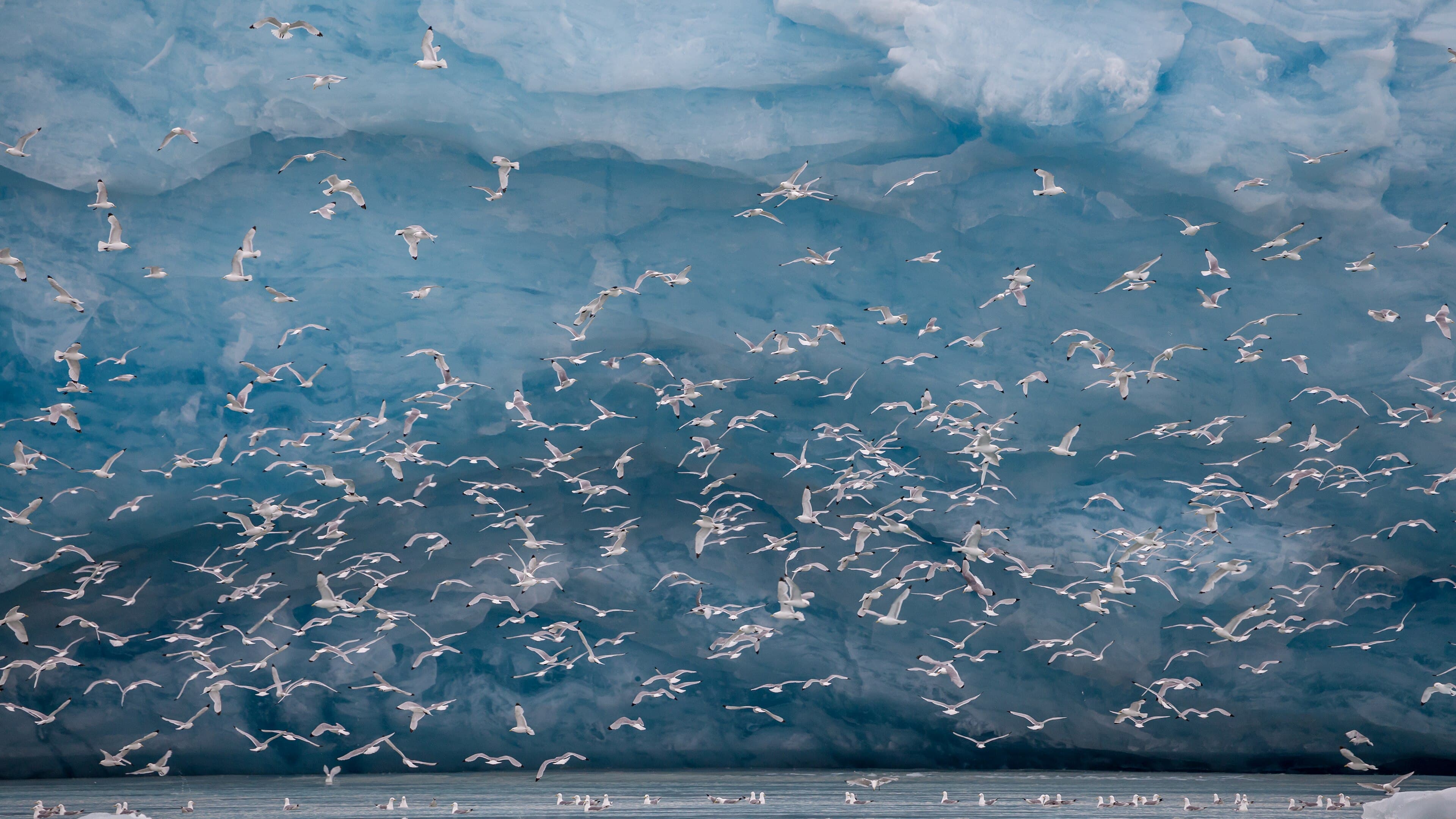
Camera manufacturers noticed. Over the following years the major brands released their own long variable-aperture zooms for mirrorless systems, lenses such as Sony's FE 200–600 mm, Canon's RF 100–500 mm and Nikon's Z 180–600 mm. Look at the EXIF data of the Featured Pictures on Wikimedia Commons shown throughout this site and you will see these lenses again and again: Giles Laurent's cheetah portrait, lioness at golden hour and Atlantic puffin in flight were all made on a Sony FE 200–600 mm. Images that ten years ago would have required a prime now routinely come from a zoom. For a buyer's framework, see our gear guides.
Who the lenses let in
The practical effect was a change in who was taking the pictures. Three groups in particular benefited.
- Enthusiasts and club photographers, who could now attempt birds in flight, raptors and shy mammals that had previously been out of reach, and who began appearing in competition shortlists in larger numbers.
- Travelling photographers, for whom a single zoom that covered 150 to 600 mm replaced a bag of primes and fitted in carry-on luggage, which matters on small aircraft to remote lodges.
- Photographers in countries without an established rental market, where buying was the only option and a professional prime had simply been unattainable.
The zoom range itself turned out to be creatively valuable rather than merely convenient. Fixed 600 mm lenses force a photographer to keep moving, or to accept that an animal walking closer will soon fill the frame and then overflow it. A 150–600 mm lens lets the photographer pull back to include habitat, follow a subject that approaches, and switch from an intimate portrait to an environmental frame in a second. Many of the most distinctive wildlife images of the last decade are wide for a reason: their makers had the option.
What did not change
It would be easy to overstate the story. Professional primes still exist and still have real advantages: a brighter aperture for dawn and dusk, faster autofocus in difficult light, and the ability to take a teleconverter with less loss of quality. Photographers whose living depends on getting the frame in any conditions still buy them. And no lens, at any price, has ever replaced fieldcraft. Knowing where an animal will be, approaching it without disturbance, and reading the light are skills that a longer lens cannot provide and can sometimes discourage, because reach makes it tempting to stay in the vehicle rather than learn the ground.
What changed is the floor, not the ceiling. The 150–600 mm generation, and the manufacturer zooms that followed, lowered the entry point to serious wildlife photography by an order of magnitude in both weight and cost. The best images are still made by the most patient, knowledgeable people in the field. There are simply far more of those people now, because far more of them can afford the reach to try.
Sources
- LensTip — Sigma S 150-600 mm f/5-6.3 DG OS HSM review (introduction: Tamron November 2013, Sigma at Photokina 2014)
- Camera Warehouse — Sigma releases two 150-600mm DG OS HSM lenses (September 2014)
- Wikimedia Commons — Kittiwakes (Rissa tridactyla) hunting fish at a glacier on Svalbard (EXIF: Canon EOS 5D Mark II, Tamron SP 150-600mm)
About the author
WLIFE Editorial
The WLIFE editorial desk researches, writes and fact-checks stories about wildlife photography, photographers, equipment and expeditions.
Credits
- Words
- WLIFE Editorial
- Photograph
- Siarhei V · Łazienki Park, Warsaw, Poland · CC BY-SA 4.0
- Photograph
- Andreas Weith · Monaco glacier, Liefdefjord, Svalbard · CC BY-SA 4.0
- Fact-check
- In progress
Fact-check notes · Sample article — verify all facts before editorial publication. Verified: Tamron SP 150-600mm f/5-6.3 Di VC USD launch in November 2013 and Sigma 150-600mm Contemporary/Sports announcement at Photokina, September 2014 (LensTip, Camera Warehouse, The Digital Picture); EXIF of the kittiwake image (Canon EOS 5D Mark II, Tamron SP 150-600mm, 552 mm; read 3 Nov 2026) and of Giles Laurent's cheetah, lioness and puffin images (Sony FE 200-600mm) on their Wikimedia Commons pages. No prices or specifications beyond focal length and maximum aperture are stated.
Read next
Gear & Fieldcraft
Sample contentBest telephoto lenses for wildlife photography: how to choose
There is no single best lens, but there is a right way to decide. A framework built on focal length, aperture, weight, teleconverters and the used market.
· 8 min
Gear & Fieldcraft
Sample contentWildlife photography camera settings: a field-proven starting point
Shutter speeds for birds and mammals, auto ISO, autofocus modes, back-button focus, burst and RAW: the settings to dial in before the animal appears, and why.
· 8 min
News
Sample contentWildlife Photographer of the Year: how the competition works and what the winning images teach
The Natural History Museum's annual competition is the closest thing wildlife photography has to a world championship. Here is how it is judged, what it rewards and what every entrant can learn from it.
· 6 min
The WLIFE Dispatch · weekly
The week’s best wildlife photography, in one email.
New images, photographer stories, gear tested in the field and expedition openings. Free, unsubscribe any time.