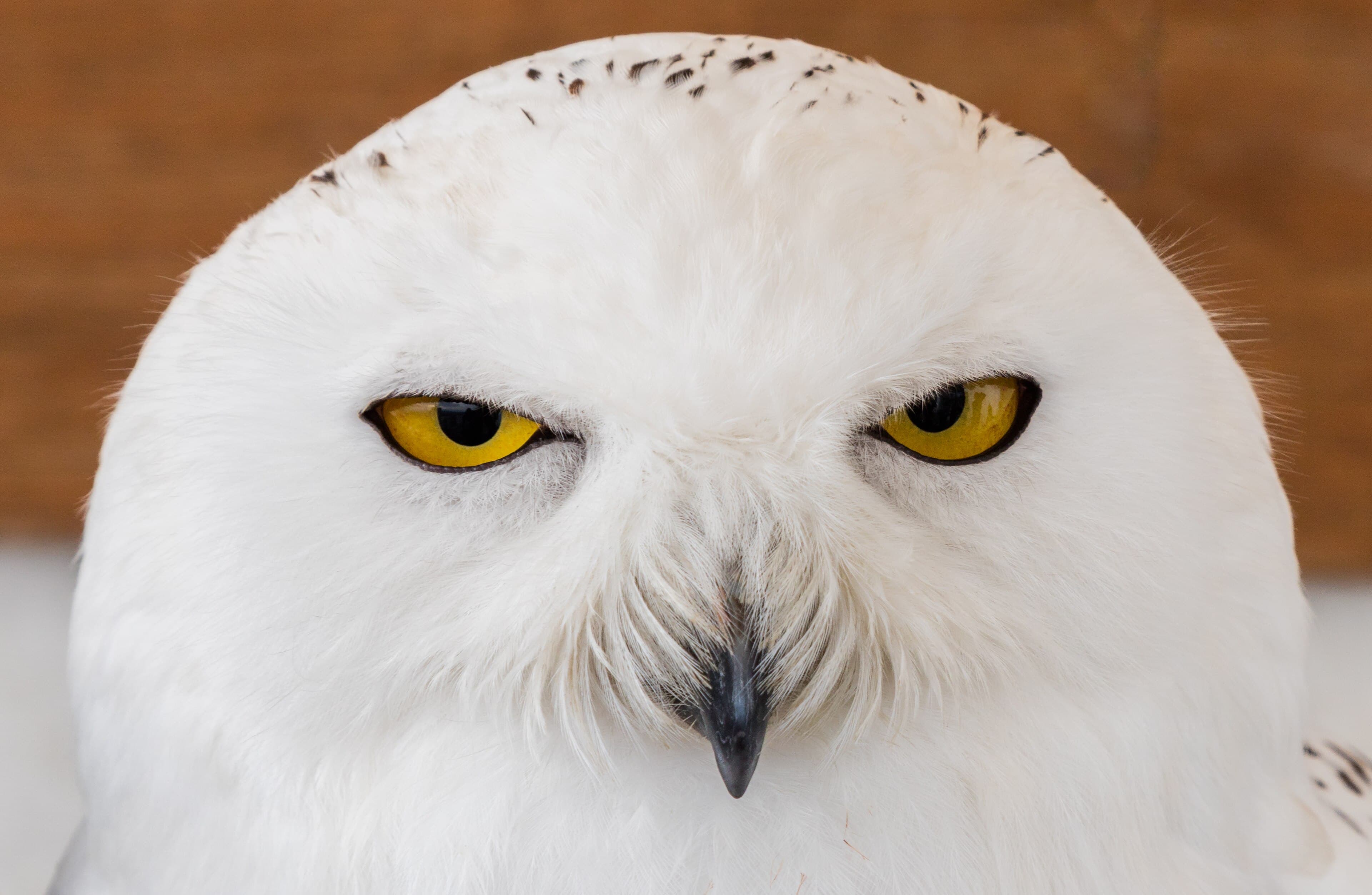
Gefotografeerd in Arcos de la Frontera, SpainCaptive
Cameragegevens: Canon EOS 5DS R105 mmf/101/125 sISO 100Arcos de la Frontera, Spain
Dit artikel is in het Engels.Menu's en knoppen zijn in het Nederlands.Open de Engelse pagina
Photo of the week: a snowy owl, wings open, against the dark
Diego Delso's portrait of a female snowy owl in flight is a study in white on black, and an honest example of how to caption a captive bird.
Door WLIFE EditorialFoto's Diego Delso2 min lezen
A snowy owl is mostly white, and the hardest thing about photographing one is keeping that white from becoming a featureless blank. Diego Delso's answer is to put the bird against near-black, so that every barred feather on the wings and every dark fleck on the crown reads as detail rather than glare. The wings are spread wide at the top of a beat, the yellow eyes are open and level with the camera, and the frame has the graphic quality of a studio portrait.
That is not a coincidence, and the photographer says so plainly. His file description identifies the subject as a female snowy owl photographed at Arcos de la Frontera in Cádiz, Spain, and adds that the bird is captive, noting that the species is native to the Arctic regions of North America and Eurasia. A captive bird can make a fine photograph; a captive bird presented as wild cannot.
“The example is captive; snowy owls are native to Arctic regions of North America and Eurasia.”
Diego Delso, file description on Wikimedia Commons
The file data is itself instructive: a Canon EOS 5DS R with a 24–105 mm lens at 105 mm, 1/125 s at f/10, ISO 100, on 8 December 2015. Impossible with a wild owl at distance; here it produced a Featured Picture and a finalist in the Commons Picture of the Year 2017. Photograph: Diego Delso, CC BY-SA 4.0.
Bronnen
Over de auteur
WLIFE Editorial
The WLIFE editorial desk researches, writes and fact-checks stories about wildlife photography, photographers, equipment and expeditions.
Credits
- Tekst
- WLIFE Editorial
- Fotograaf
- Diego Delso
- Foto
- Diego Delso · Arcos de la Frontera, Spain · Captive · CC BY-SA 4.0
- Feitencontrole
- Wordt gecontroleerd
Notities feitencontrole · Sample article — verify all facts before editorial publication. Description (captive bird, female, Arcos de la Frontera), date (8 December 2015), EXIF (Canon EOS 5DS R, EF 24-105mm f/4L at 105 mm, 1/125 s, f/10, ISO 100) and awards (FP, QI, POTY 2017 finalist) read from the Commons file page on 2026-10-23.
Lees ook
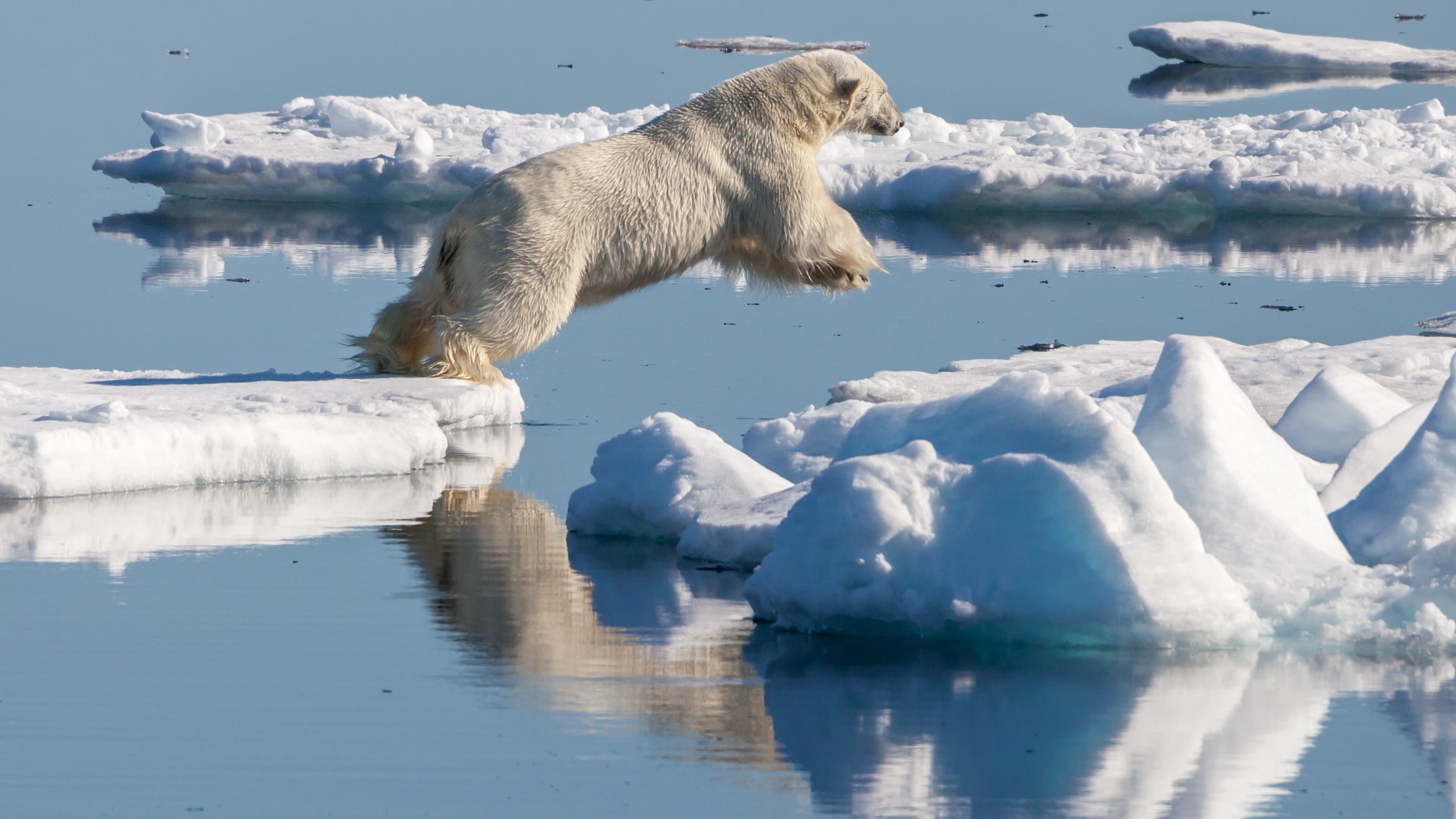
Foto van de week
VoorbeeldinhoudPhoto of the week: a polar bear on the drift ice north of Svalbard
Andreas Weith's frame of a hungry bear crossing the pack ice carries the whole Arctic in a single stride.
· 2 min
Veldwerk & techniek
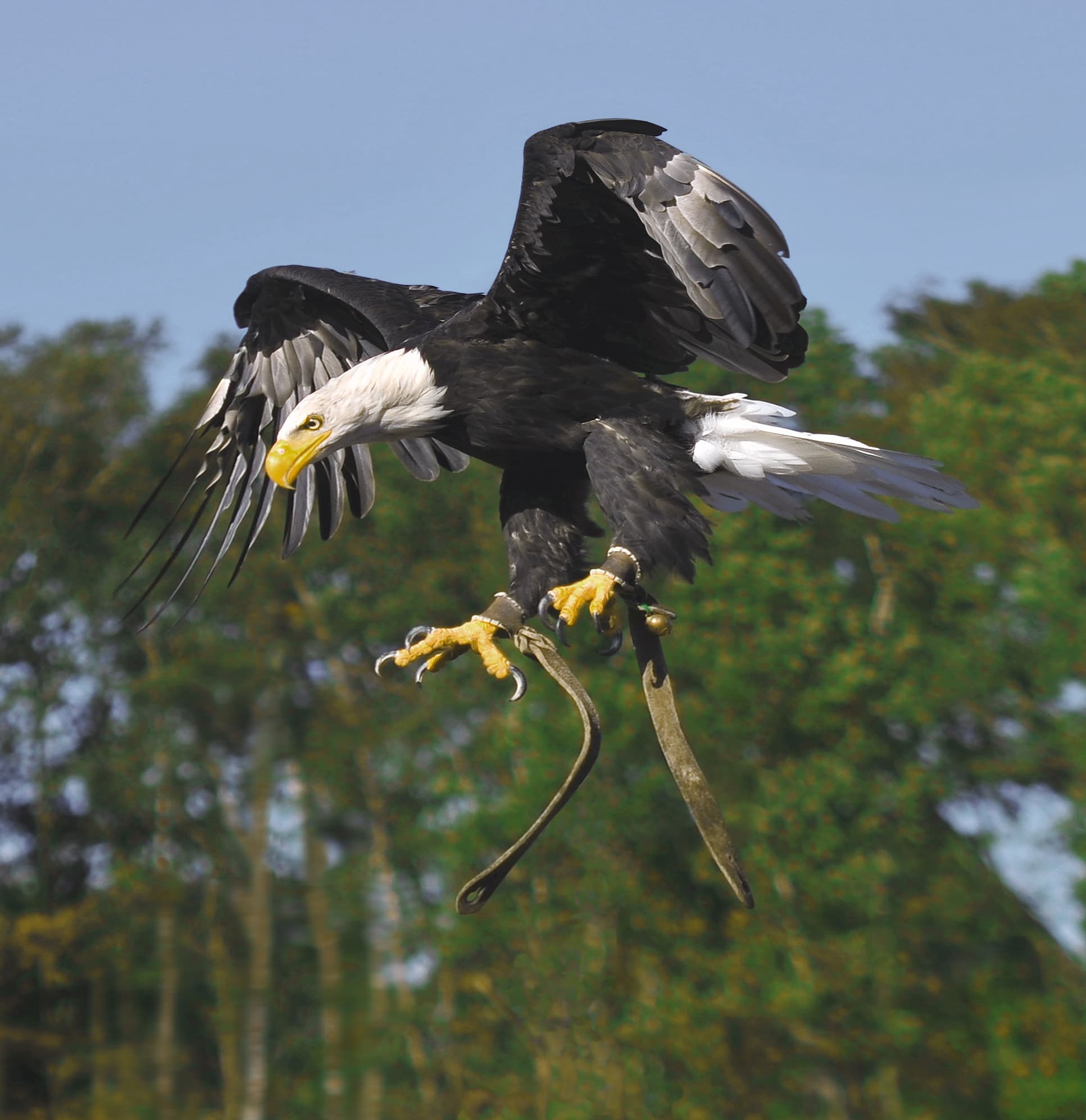
VoorbeeldinhoudHow to photograph birds in flight
Flight photography is the hardest discipline in wildlife work and the most learnable. Approach, light, tracking, backgrounds and ethics, in the order that matters.
· 8 min
Nieuws
VoorbeeldinhoudWildlife Photographer of the Year: how the competition works and what the winning images teach
The Natural History Museum's annual competition is the closest thing wildlife photography has to a world championship. Here is how it is judged, what it rewards and what every entrant can learn from it.
· 6 min
The WLIFE Dispatch · wekelijks
De beste natuurfotografie van de week, in één e-mail.
Nieuwe beelden, verhalen van fotografen, in het veld geteste apparatuur en nieuwe expedities. Gratis, altijd af te melden.